I bought my first self cleaning litter box because I was tired of discovering a surprise clump five minutes before leaving for work. I imagined a quiet little machine handling the unpleasant part of cat care while I got on with breakfast, school drop-off, and a normal evening. The reality was more useful than magical: a good unit can reduce daily scooping, but it still needs the right litter, cleaning, and supervision.
If you are a first-time cat owner, the goal is not to find a gadget that replaces every litter chore. The goal is to build a setup your cat will use consistently and your household can maintain. I learned this one the messy way. The expensive model in the wrong corner created more trouble than a basic pan placed thoughtfully.
What a self cleaning litter box actually does
Most automatic boxes use a rake, rotating chamber, or conveyor-style mechanism to move waste into a lined drawer after your cat leaves. A sensor or timed cycle usually provides a short delay, allowing urine and feces to separate from clean litter. Some models use an app to show activity, cycle status, or a full waste compartment.
That can turn scooping from a twice-daily chore into a task every few days, depending on the number of cats and the size of the waste drawer. It does not eliminate odor, litter tracking, stuck clumps, or the need to inspect the machine. You still add litter, empty the drawer, wipe surfaces, and wash removable parts.
The biggest beginner mistake is treating automation as permission to forget the box. Cats can avoid a dirty or malfunctioning toilet just as quickly as they avoid a dirty traditional pan. If the unit jams overnight, you want to notice before your cat chooses a rug.
A self cleaning litter box also needs enough room for your cat to enter, turn around, and leave without feeling trapped. Measure the usable interior, not just the outside dimensions. A large adult cat may reject a compact design even when the product description calls it roomy.

Choosing the right model for your home
Start with your cat, not the feature list. A kitten, senior cat, nervous rescue, or large breed may need a low entry, wide opening, and stable floor. A tall enclosed machine can look tidy to you but intimidating to a cat that already hides from unfamiliar sounds.
Think about noise as well. Some units make a soft motor sound; others are noticeable in a quiet apartment. If the box will sit beside your bedroom, home office, or nursery, watch real demonstration videos before buying. App controls are convenient, but they should not distract from basics such as safe sensors, easy access for cleaning, and a drawer that does not require wrestling with the frame.
Litter compatibility matters. Many automatic boxes work best with clumping clay litter, while some manufacturers recommend particular textures or limit crystal, pellet, or lightweight formulas. Switching litter suddenly can cause refusal. Keep the new box beside the old one and blend familiar litter into the new setup during the transition.
Price is another reality check. Entry-level automatic boxes often cost around $150 to $300, while larger or app-connected models can reach $500 or more. Add liners, odor-control filters, replacement parts, and suitable litter to the first-year cost. A cheaper unit that is easy to disassemble may serve you better than a premium model with parts you dread washing.
Setting it up without confusing your cat
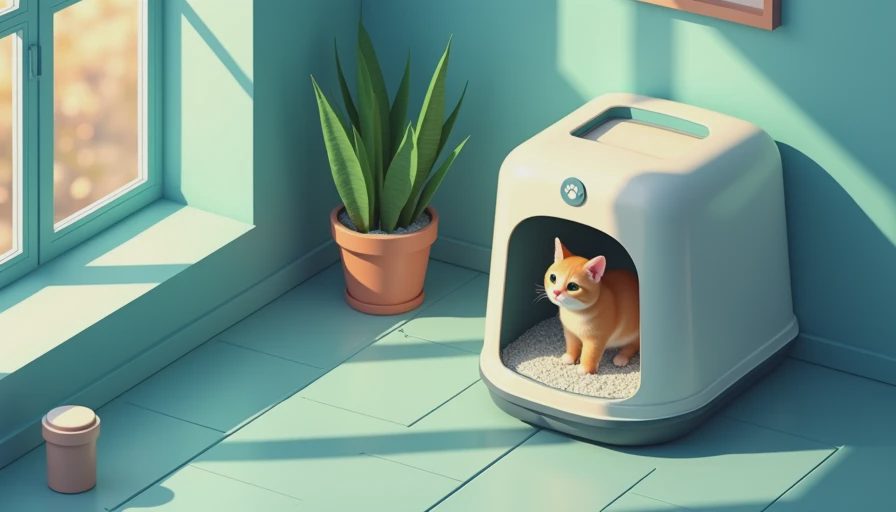
Place the box in a calm, accessible area with ventilation and a nearby outlet. Avoid a cramped closet, a busy hallway, or a location next to a loud washer. Your cat should have a clear escape route and should not feel watched by children, dogs, or passing feet.
For the first several days, leave the automatic cycle turned off if the product allows it. Add a scoop of used litter from the familiar pan so the scent explains the purpose. Keep the old box available until your cat has used the new one repeatedly. When I rushed this step, I spent an entire Saturday cleaning urine from a bath mat.
After successful use, run the cycle while your cat is in another room. Watch for hesitation, sudden retreat, or avoidance. If your cat stops using the box, return to the previous setup and slow the transition. Litter avoidance is a behavior problem worth taking seriously, but it is not a reason to panic over one missed day.
For a home with multiple cats, follow the basic principle of providing enough toilet options for the household. One automatic unit may not be enough if one cat guards it or another prefers a separate location. An extra simple pan can be a practical backup rather than a failure of your purchase.
The cleaning routine people forget
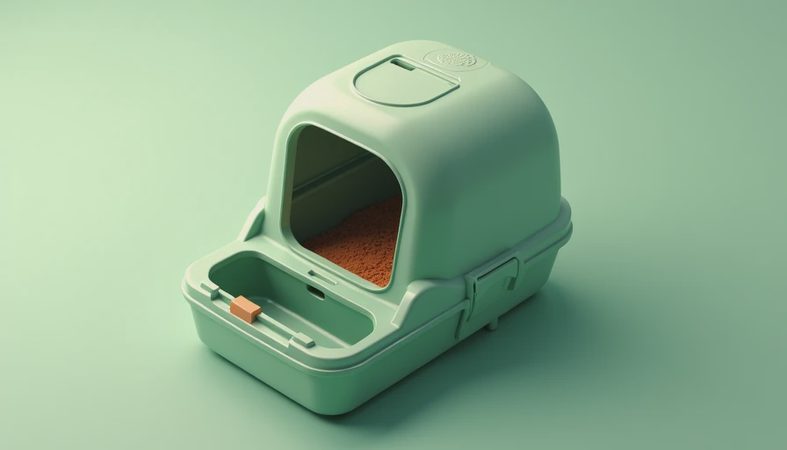
Even the best self cleaning litter box needs a weekly inspection. Check the waste chute for damp litter, look beneath the rotating or raking mechanism, and wipe any sensor windows with a dry or lightly damp cloth as directed by the manufacturer. Do not pour water into the motor housing or electrical base.
Empty the waste drawer before it reaches the limit. A full drawer can prevent cycles, trap odor, or cause waste to contact moving parts. Use a liner if the design supports one, but do not force an oversized bag into a compartment where it blocks the sensor. Keep spare liners and a small trash can nearby so the job takes two minutes instead of becoming a postponed project.
Once a month, unplug the unit and clean removable pieces according to the instructions. Mild soap and water are usually more appropriate than strong fragrances, bleach mixtures, or ammonia-based cleaners. Cats rely heavily on scent, and an aggressively perfumed box can make a new machine less appealing.
Watch the waste itself. Changes in urine volume, stool consistency, or how often your cat visits the box can be useful clues. A self cleaning litter box moves waste out of sight, so make a habit of checking the drawer before emptying it. Contact a veterinarian if you notice persistent straining, blood, repeated vomiting, or a major change in bathroom habits.
Common problems and simple fixes
If the box smells, first check the drawer, litter depth, and the waste chute. Adding more fragrance is rarely the best first move. If clumps smear, the litter may be too shallow, the clump may be too soft, or the cycle may start before the waste has firmed up. Adjust one factor at a time so you know what helped.
If the machine cycles unexpectedly, inspect its placement and sensor area. A wobbly floor, a rug caught under the base, or litter piled against an entry sensor can cause errors. Keep the unit level and follow the reset procedure rather than repeatedly unplugging it during a cycle.
If your cat refuses the box, stop focusing on the machine and focus on trust. Turn off automation, add familiar litter, and provide the old pan. Never place your cat inside and hold the exit closed. That can turn understandable caution into lasting fear.
Is it worth buying for a first cat?
For a busy household, a self cleaning litter box can be genuinely helpful. It is especially useful when work schedules vary, when scooping is physically difficult, or when a cat produces frequent clumps. The time savings are real when the setup fits the cat and the machine is maintained.
It is less attractive if you have a very timid cat, limited floor space, or a tight budget that cannot cover replacement parts. A basic open pan costing $15 to $30 is easier to inspect and replace. You can always upgrade after learning your cat’s litter preferences.
If I could reset the first month, I would buy based on entry size, cleaning access, and return policy before caring about Wi-Fi features. I would keep one backup pan, place supplies in a labeled bin, and inspect the drawer every day for the first week. That routine gives you the convenience without pretending the machine is responsible for your cat’s health.
The best self cleaning litter box is the one your cat uses, your household can clean, and your budget can support. Start slowly, observe what goes wrong, and let messy progress count.


Letters
No letters yet. Yours could be the first.