When I first brought a cat home, I treated litter like an afterthought. I bought a box, poured in a random bag, and assumed the cat would handle the rest. That lasted about three days. Purina tidy cats litter can make the routine easier, but the product still works best when the box, location, depth, and cleaning schedule are sensible. If you are setting up your first cat area, this is the practical starting point I wish I had.
Choosing the right type for your cat
Purina tidy cats litter comes in several styles, including clumping clay, lightweight formulas, unscented options, and products designed for odor control. The best choice depends less on what sounds impressive on the label and more on what your cat accepts consistently.
Clumping litter is usually the easiest option for beginners because urine forms removable clumps. You can scoop those clumps daily without dumping the entire box every time. A standard clay formula is often economical and familiar to many cats. Lightweight versions are easier to carry from a garage or store, although the smaller granules can sometimes track farther across the floor.
Scented litter is a personal preference, not a requirement. A strong fragrance might seem helpful to people, but some cats dislike heavily scented boxes. If your cat starts hesitating, scratching around the box without using it, or having accidents nearby, switch back to an unscented product and simplify the setup. A cat refusing the box is not being spiteful; something about the arrangement may feel unpleasant.
For a first purchase, I would choose a regular clumping formula in an unscented or moderately scented version, rather than buying the biggest multi-pack immediately. This lets you test acceptance before storing several heavy containers in your home.

How much litter should you use?
One of my early mistakes was filling the box nearly to the top. It created more sweeping, wasted litter, and gave my cat a deep layer that spread everywhere when she dug. Most cats do well with roughly two to three inches of litter, though a vigorous digger may prefer a little more.
Pour slowly and watch how your cat behaves. If the bottom of the box becomes visible after one visit, add a small amount. If litter flies out with every digging session, lower the depth or use a larger box with higher sides. Purina tidy cats litter is not a substitute for the right container. A cramped box can cause problems even when the litter itself is perfectly acceptable.
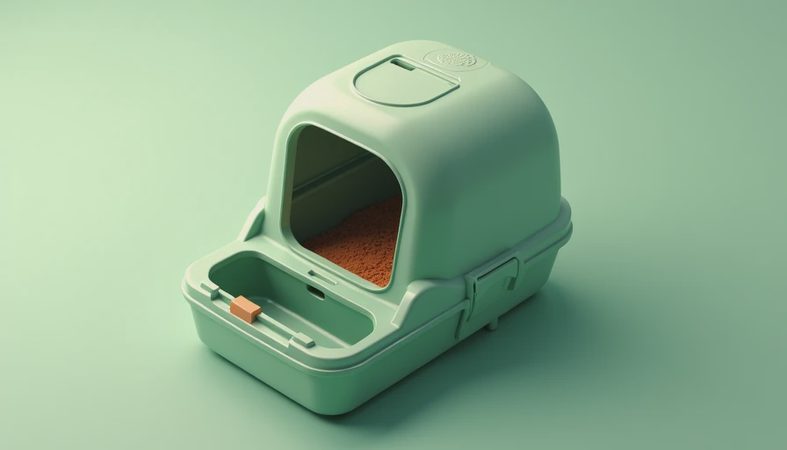
A useful beginner setup includes a large open box, a washable mat, a scoop with narrow slots, and a small sealed waste pail. Place the box in a quiet, accessible area away from food and water. Avoid hiding it behind a closed door, in a laundry room that runs loudly, or somewhere your cat could feel trapped by a dog or child.
Scoop once a day whenever possible. With one adult cat, that usually takes less than two minutes. Remove urine clumps and solid waste, then add a little fresh litter when the level drops. A quick daily habit is far easier than facing a full, smelly box after a week of avoidance.
Making odor control realistic
Purina tidy cats litter can reduce the smell, but no litter can cover an unclean box forever. Odor control starts with removing waste promptly. If the box is in a small apartment, a basement, or near a main hallway, daily scooping becomes especially important.
Once a week, inspect the remaining litter. If it looks dry, clean, and free of lingering odor, you may only need to remove debris and top it off. When the litter smells sour, sticks heavily to the bottom, or has become dusty and damp, empty the box. Wash it with mild unscented soap and warm water, rinse thoroughly, and dry it before refilling. Avoid bleach mixtures, ammonia-based cleaners, and strong perfumes around the box.
I learned this one the messy way: covering a bad smell with air freshener only made the whole corner smell like flowers and ammonia. The better fix was a larger box, a scoop beside it, and a rule that nobody walked past waste without removing it.
For multi-cat homes, add more boxes if space allows. A common guideline is one box per cat plus one extra, but your home may require a practical compromise. Even adding a second box in a separate room can reduce competition and accidents.
Reducing tracking and dust
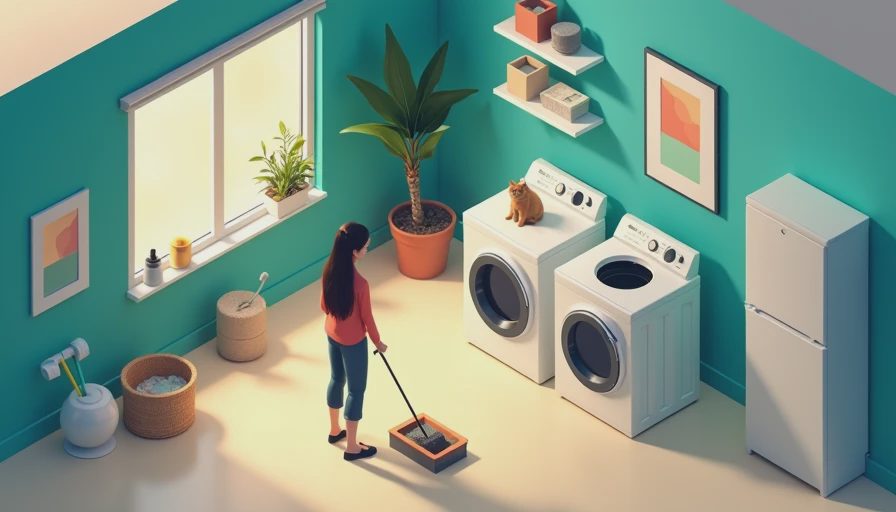
Tracking is the tiny problem that becomes a daily irritation. You find granules by the box, then under a table, then somehow in a bedroom. Purina tidy cats litter can track differently depending on the formula, your cat’s paws, and how aggressively they dig.
A textured litter mat catches loose pieces as your cat exits. Choose one that is easy to lift and shake outside or vacuum. A top-entry box can reduce tracking for some cats, but it is not automatically better. Older, heavy, shy, or less agile cats may prefer a standard open box with a low entrance.
Keep the scoop close enough that using it feels automatic. I store mine in a narrow covered bin beside the litter station, along with spare bags and a small handheld vacuum. This prevents the classic beginner failure where cleanup supplies are in a closet on another floor and the mess remains until bedtime.
If dust bothers you or your cat, pour gently and avoid shaking a newly opened bag directly over the box. Let the contents settle before your cat returns. Open a window only if the weather and your cat’s safety allow it; never force ventilation by placing the box near a drafty exterior door.
What to do when your cat rejects the litter
If your cat suddenly stops using the box, do not immediately blame the brand. First check for a dirty box, a blocked route, a new fragrance, a different location, or a recent change in litter texture. Cats can notice changes that seem minor to people.
When changing products, mix the new litter with the old over several days. Start with about one-quarter new litter, then increase gradually if your cat continues using the box. A sudden full replacement can create confusion, especially for a newly adopted cat already adjusting to unfamiliar rooms.
Accidents outside the box deserve calm investigation. Clean the area with an enzymatic pet cleaner so the odor does not invite repeat marking. Do not punish, shout, or carry your cat to the mess. If accidents continue, your cat strains, cries while urinating, produces very little urine, or seems unwell, contact a veterinarian promptly. Litter avoidance can sometimes signal a medical problem rather than a behavior issue.
A simple routine that actually lasts
Purina tidy cats litter is easiest to manage when the household routine is boring and repeatable. Each morning, scoop the box before breakfast. Each evening, check the floor mat and vacuum visible tracking. Once a week, inspect the litter level and box condition. Put a reminder on your phone for a deeper clean every few weeks, or sooner if odor returns.
Buy a manageable supply rather than stacking huge bags where moisture can reach them. Store unopened litter in a dry place, and use a container that is easy for one person to lift. A $10 to $25 mat, a $10 scoop, and a properly sized box can improve the experience more than upgrading to the most expensive formula.
If I could reset the first month, I would start with one large open box, two inches of Purina tidy cats litter, a daily scoop, and no unnecessary fragrance products. That setup is not glamorous, but it gives a beginner clear feedback. When the box stays clean, the cat uses it reliably, and the floor takes less than a minute to sweep, you have built a system that can survive a busy week.


Letters
No letters yet. Yours could be the first.