When I brought home my first cat, I thought choosing litter would take about five minutes. Then I stood in the pet aisle comparing clay, pellets, crystals, clumping formulas, and products promising to control every possible smell. Pretty litter caught my attention because it looked simple and clean, which was exactly what I wanted in a small home with a busy schedule. The important question is not whether one product is perfect. It is whether the litter fits your cat, your space, and the routine you can actually maintain.
What pretty litter is and how it works
Pretty litter is a lightweight silica gel cat litter. Instead of forming traditional clay clumps around urine, the crystals absorb liquid and help control odor. Solid waste stays on top, so you scoop it out while stirring the remaining crystals as directed. The material can also change color in response to certain urine chemistry changes. That color shift is a reason to pay closer attention, not a diagnosis or a replacement for veterinary care.
The biggest practical difference is moisture management. A clay box can become heavy, dusty, and sticky at the bottom. Pretty litter is usually easier to pour and carry, and a bag can last longer in a single-cat household when the box is scooped consistently. It can still track onto floors, though, especially if your cat launches out of the box like mine did. A mat with a textured surface made cleanup much less annoying.
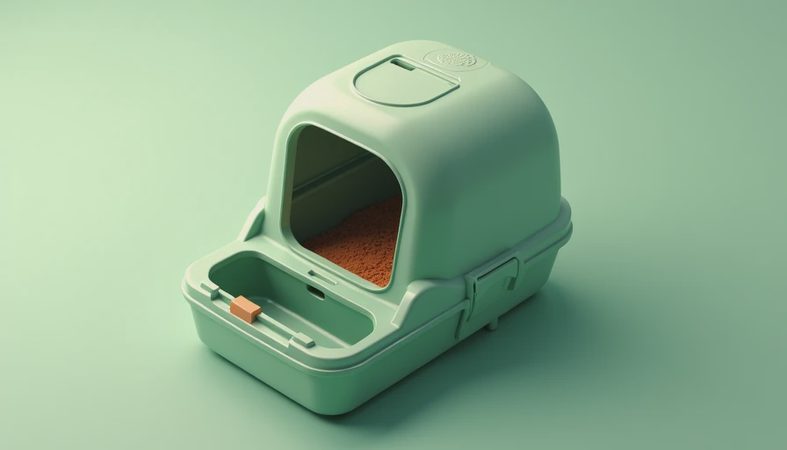
Before buying, look at the whole setup. You need a large, uncovered or appropriately covered litter box, a scoop that removes solids cleanly, a trash container with a tight lid, and a dry storage spot. Keep the box away from food and water, but do not hide it in a noisy laundry room where a nervous cat feels trapped.

How to introduce pretty litter without a box protest
Cats can be extremely opinionated about texture and scent. I learned this one the messy way after switching products too quickly and finding urine on a bath mat. The safer approach is gradual. Leave the old litter in the box and add a small amount of pretty litter on top or beside it. Over several days, increase the new litter while reducing the old product. If your cat stops using the box, slow down and return to the last mixture that worked.
Keep the box in the same location during the transition. Wash your hands after scooping, but avoid strong cleaners, air fresheners, or heavily scented sprays near the area. A cat may reject a box because it smells chemically, feels unstable, or is too dirty, not because the litter itself is wrong. For a new kitten, place the box where it can reach it easily after naps, meals, and energetic play.
Multiple cats require more planning. A common starting guideline is one box per cat plus one extra, spread through the home rather than lined up together. That can sound excessive until one cat blocks another from entering a single bathroom box. If space is tight, start with two boxes in separate quiet areas and watch how both cats use them.
Cleaning, odor control, and daily reality
Pretty litter works best when you scoop solid waste at least once a day and stir the crystals so moisture distributes evenly. Waiting several days creates a stronger odor and can leave saturated material concentrated in one section. Follow the package directions for when to replace the entire tray. I put a reminder in my phone because “I will remember” was not a reliable household system.
Do not flush pretty litter or cat waste unless the product instructions and your local wastewater guidance clearly allow it. Bag waste and place it in a secured trash container. Wash the box with mild soap and water during a full change, then dry it completely before adding fresh material. Avoid bleach mixtures and strong fragrances around cats. If the litter tracks, a low-sided mat near the exit helps, while a hand vacuum can handle the stray crystals without turning cleanup into a weekend project.
Cost depends on bag size, the number of cats, box size, and how frequently the litter needs replacing. A single cat may use less than a multi-cat home, but a large cat or a cat that urinates heavily can change the math. Compare the monthly price with your current clay litter rather than comparing only the sticker price of one bag.
What the color change can and cannot tell you
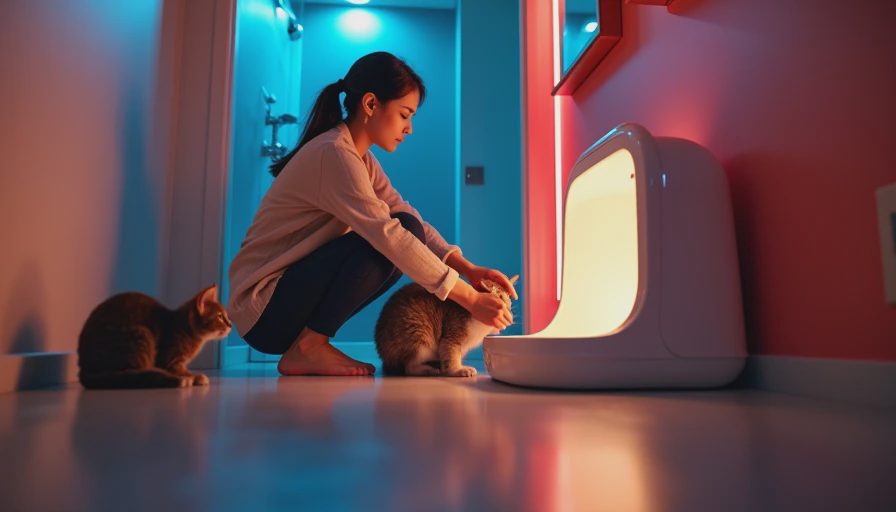
One appealing feature of pretty litter is its color indicator. It can encourage you to notice a change that might otherwise be missed, such as an unusual urine color or a change in bathroom habits. Treat the indicator as a prompt to observe your cat, not as a medical test. A color change can be affected by contamination, lighting, product use, or other factors, and it does not explain what is happening inside the body.
Watch the cat as well as the box. Straining, repeated trips with little urine, crying while urinating, blood, vomiting, hiding, sudden thirst, or refusing food deserves prompt veterinary advice. A male cat that appears unable to urinate needs urgent attention. Do not wait for the litter to “confirm” a problem. Take a photo of the color or box if it helps you explain what you noticed, and record when the behavior started.
Mistakes I would avoid the second time
First, I would not buy several bags before knowing whether my cat accepts the texture. Second, I would not place the box beside a washing machine or furnace. Sudden noise can make a cat avoid an otherwise clean box. Third, I would not rely on odor control to compensate for infrequent scooping. No litter can replace basic maintenance.
I would also keep a small backup supply of the previous litter during a transition. If the new product causes hesitation, you have options instead of rushing to the store after an accident. A waterproof mat under the box, a scoop stored nearby, and a lined trash can are inexpensive upgrades that save daily effort.
For kittens, senior cats, or cats with a history of urinary problems, ask your veterinarian whether a particular litter texture and monitoring routine make sense. Some cats prefer fine grains, while others accept larger crystals immediately. Your cat’s behavior is useful feedback, not stubbornness.
Is pretty litter worth trying?
Pretty litter can be a reasonable choice if you want lightweight material, simple odor control, and an easier way to notice changes in the box. It is not automatically the right choice for every cat, and the color feature should never replace a professional exam. Start with one box, transition slowly, scoop daily, and track your cat’s normal habits for the first couple of weeks.
If I could reset the first month, I’d start with location and routine before worrying about the perfect product. A clean, quiet, accessible box matters more than having the fanciest bag in the store. Pretty litter may make that routine easier, but your consistency is what keeps the household calm.

Letters
No letters yet. Yours could be the first.