An automatic cat litter box can make a crowded weekday feel much more manageable, especially when you are new to cat ownership, raising kids, or working long hours. I learned this one the messy way: the right machine can reduce scooping, but the wrong setup can create noise, tracking, odors, and a cat who refuses to use it. The goal is not buying the most expensive gadget. It is building a bathroom routine your cat accepts and your household can maintain.
What an automatic cat litter box actually does
Most models use a rake, rotating drum, or sifting mechanism to separate waste from clean litter after your cat leaves. The waste drops into a lined drawer or covered bin, which you empty every few days. Some models have timers, weight sensors, app alerts, odor filters, and cleaning-cycle controls. Those features sound impressive, but they are not equally useful for every home.
A basic automatic cat litter box often costs about $150 to $300. Premium models from brands such as Litter-Robot can cost several hundred dollars before liners, carbon filters, and replacement parts. A less expensive machine from PetSafe or a similar brand may be enough for one adult cat using a familiar clumping litter. The ongoing cost matters because a machine that needs special litter or frequent proprietary supplies can quietly become expensive.
Before shopping, measure the space where the box will live. A laundry room corner may look convenient, but a loud motor can bother a sleeping cat, and a cramped doorway can make the box feel unsafe. Leave room to open the waste drawer, remove the unit for cleaning, and place a litter mat in front.
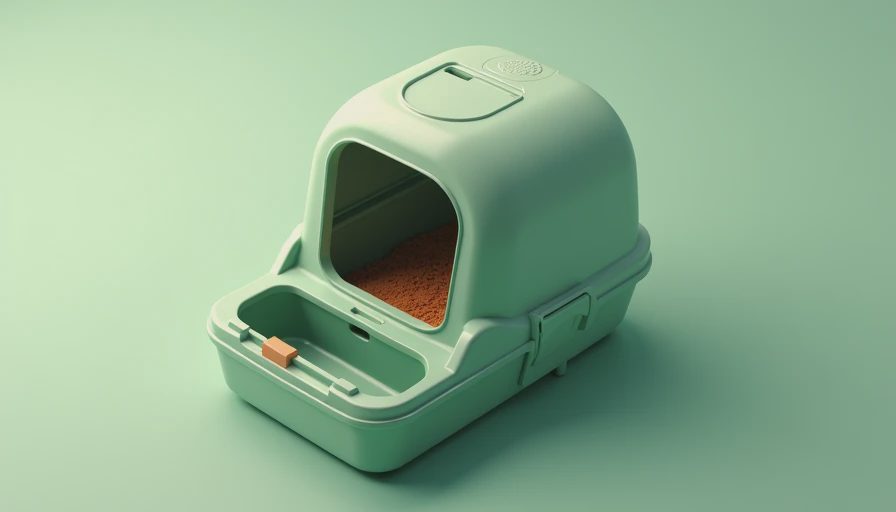
Choose features based on your real household
The best automatic cat litter box is usually the one your cat can enter comfortably and you can clean without putting it off. Look at the entrance height, interior width, and recommended cat weight. A large cat may feel trapped in a compact enclosed model, while a kitten might struggle with a tall step-up entrance. If you have a senior cat, arthritis, or mobility concerns, a low-entry design deserves extra attention.
Noise is another practical detail. Some cats ignore a brief motor sound; others sprint away from anything that moves near their bathroom. A quiet cycle is helpful, but placement matters too. Keep the unit away from the feeding area, busy hallways, and a door that slams. Give your cat a clear path in and out rather than hiding the box behind storage bins.
Sensors and app notifications can be useful when you travel overnight or worry about whether the unit is working. They do not replace a daily glance. A sensor can report activity, but it cannot tell you that the litter is damp, the waste drawer is full, or the rake is jammed with clumps. Technology should support your routine, not become an excuse to stop checking.
The transition is where many beginners go wrong
Do not remove the old litter box on the first day. Put the automatic cat litter box beside the existing box, leave the machine turned off, and add some used litter to the new pan. That familiar smell helps your cat understand what the new object is for. Continue scooping the old box while your cat investigates the new one.
Once your cat uses the new box consistently, you can run a cleaning cycle when the cat is in another room. Watch the reaction. If the cat bolts, pause the automatic cycles for a day or two and restart more gradually. Some cats accept the machine within a weekend. Others need a couple of weeks, and rushing them can lead to accidents behind furniture.
This is where I overestimated myself. I assumed my cat would appreciate a cleaner box immediately, but the motor started while she was nearby and she avoided the unit afterward. I reset by turning it off, leaving the old box available, and rewarding calm investigation with a small treat. The lesson was simple: convenience for me was not automatically comfort for her.

Litter, cleaning, and odor control
Check the manufacturer’s litter guidance before filling the machine. Many automatic systems work best with hard-clumping clay litter, while lightweight, pellet, crystal, or plant-based litters may not sift correctly. A clump that breaks apart can leave urine-soaked material under the mechanism and create odor faster than a traditional pan.
Do not overfill the litter chamber. The fill line exists because excess litter can spill into moving parts or make the waste drawer fill quickly. Scoop out stuck clumps by hand, wipe accessible surfaces, and wash removable parts according to the instructions. Avoid harsh fragrances. Cats often dislike strong scents, and masking odor is not the same as removing its source.
A litter mat catches tracking, but it will not solve every mess. Sweep around the box several times a week, especially if your cat has long fur or enthusiastically digs. Keep spare liners, litter, and cleaning supplies in a labeled bin nearby. That tiny storage decision saved me from discovering an empty liner roll while holding a full waste drawer.
When an automatic box is not the right first purchase
An automatic cat litter box may not be ideal if your cat is extremely cautious, recovering from surgery, very young, or sharing a bathroom with several cats. Multiple cats can also fill a waste drawer quickly, even when the product is marketed for multi-cat homes. If you have two cats, observe whether each one uses the unit comfortably instead of assuming shared access will work.
For a new kitten, start with a simple low-sided litter pan and focus on location, litter texture, and consistent cleaning. You can introduce automation later. A traditional box is also a perfectly reasonable choice if your budget is tight. Spending $200 on a machine does not eliminate the need for daily observation, and a basic $20 pan can be cleaner when maintained reliably.
Health changes are another reason to keep an eye on bathroom habits. A sudden change in frequency, urine amount, stool, or willingness to enter the box deserves attention from a veterinarian. Do not rely on an app notification as a health diagnosis.
A practical setup checklist
Place the unit on a level, hard surface near an outlet, with several inches of clearance around it. Add the recommended litter and confirm that the waste drawer is seated correctly. Leave the old box beside it during the transition. Run the machine manually once so you know how the cycle sounds and where waste lands.
For the first week, inspect the box morning and evening. Look for stuck clumps, scattered litter, a full drawer, or signs your cat is avoiding the area. Empty the drawer before it becomes packed, even if the app says there is capacity. Wash the mat, wipe nearby walls, and keep a small trash bag roll within reach.
If your cat stops using the automatic cat litter box, return to the last setup that worked. Turn off the cycle, add the old box, and identify the likely problem: noise, smell, entrance height, dirty interior, or an inconvenient location. If I could reset the first month, I would spend less time chasing perfect automation and more time watching what made my cat feel safe.
An automatic cat litter box can absolutely reduce household friction, but it works best as part of a simple care system. Compare the entrance and cleaning requirements, transition slowly, keep supplies nearby, and continue checking the box every day. That approach gives you the convenience you wanted without asking your cat to adapt overnight.



Letters
No letters yet. Yours could be the first.