Choosing the best cat litter sounds simple until you are standing in a pet store comparing clay, corn, walnut, paper, crystals, scented formulas, and bags that all promise “maximum odor control.” I learned this one the messy way: the most expensive box is not automatically the best fit, and the litter your cat accepts matters more than a clever label.
For a first-time cat owner, the best cat litter should do three basic jobs well. It should encourage your cat to use the box, control everyday smells without overwhelming the room, and fit a cleaning routine you can actually maintain. A product that works beautifully in a showroom but creates dust, tracking, or refusal at home is not a good purchase.
Start with your cat, not the packaging
Most cats prefer a clean, uncovered box with unscented, fine-textured litter. That preference is not a hard rule for every cat, but it is a sensible starting point. Strong perfumes smell fresh to people and can smell harsh to a cat whose nose is much more sensitive. If your new cat came from a shelter or foster home, ask what litter was already being used. Keeping the same type for the first week can prevent one unnecessary adjustment while your household is already changing.
Clumping clay is often the easiest first choice because urine forms removable clumps and solid waste is simple to scoop. A typical 20- to 40-pound box might cost about $12 to $25, depending on the brand and formula. Dr. Elsey’s Ultra, Arm & Hammer Clump & Seal, and Tidy Cats Free & Clean are familiar examples, but the exact winner depends on your cat and your tolerance for dust and tracking. The best cat litter is usually the one your cat uses consistently and you can afford to replace.
If your cat has long fur, sensitive paws, or a habit of kicking litter across the floor, a large-grain option can reduce tracking. It may not form the tightest clumps, though, so test a small package before committing to a warehouse-sized supply.
Comparing the main litter types
Clay remains popular because it is widely available, easy to scoop, and usually effective against odor when the box is cleaned daily. Its drawbacks are weight, dust in some formulas, and the amount of waste it can create. Look for low-dust or dust-free wording if the box sits near a bedroom, nursery, or HVAC return.
Corn and wheat litters are lighter and often made from renewable materials. Many clump well, but their texture and scent can vary. Some cats accept them immediately; others dislike the softer or more irregular feel. Pine and paper products are useful for particular situations, including temporary recovery areas or homes trying to avoid fine particles. They can be less convenient for urine control in a traditional box, especially if you expect a tight clump every time.
Crystal litter absorbs liquid and can stay in the box longer between complete changes. It is lightweight and often controls odor well, but some cats dislike the hard pieces under their paws. If you are researching the best cat litter for a picky adult cat, preference should outrank convenience. A product that lasts a month is not helpful if your cat urinates beside the box after two days.
How to control odor without perfume
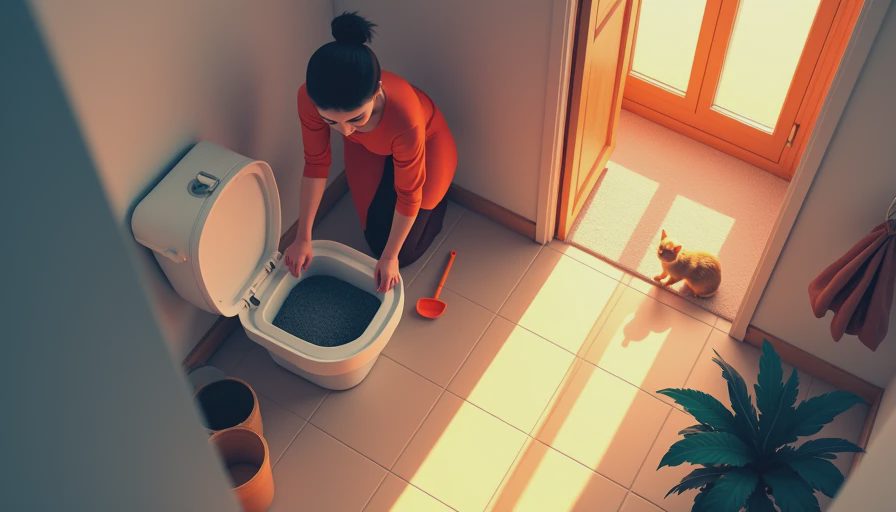
Odor control begins with the box, not a scented additive. Scoop solid waste and urine clumps at least once daily; twice daily is better in a small apartment or a home with multiple cats. Add fresh litter as needed to maintain roughly 2 to 3 inches of depth, unless the package gives different instructions. Every week or two, empty the box completely, wash it with mild unscented soap, rinse thoroughly, and dry it before refilling.
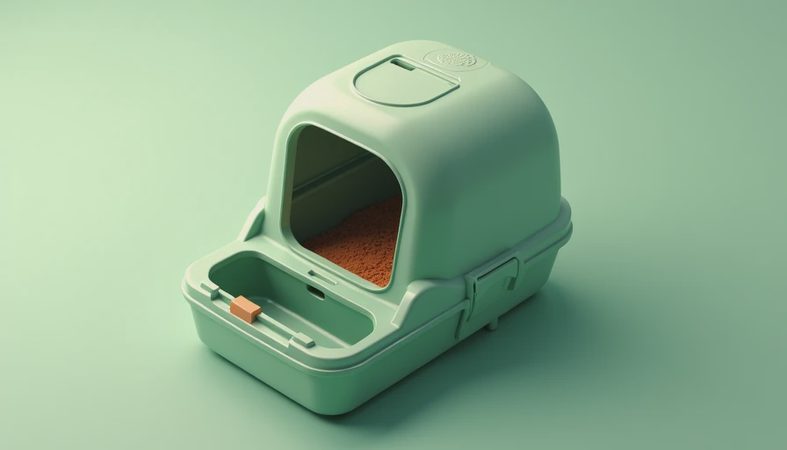
A covered box can hide some smells from the room, but it can also trap odor inside and make the space feel cramped. I originally bought a covered box because I wanted the laundry room to look tidy. My cat used it less, and the smell became worse because I delayed scooping. An uncovered, high-sided box with a washable mat worked better. The best cat litter cannot compensate for a box that is too small, dirty, or placed beside a loud appliance.
Avoid mixing baking soda, essential oils, or heavy fragrances into litter without a clear reason. Essential oils can be unsafe for cats, and extra scent may make a sensitive cat avoid the box. Ventilation, regular scooping, and enough boxes solve more problems than perfume does.

Reduce dust and tracking in a real home
Put the box on a hard, level surface with room for your cat to turn around. A washable litter mat with a textured surface can catch pieces as your cat exits, but it will not stop every grain. Sweep around the box regularly rather than waiting for a large crunchy trail through the hallway. A small handheld vacuum is especially useful for corners and baseboards.
For a one-cat home, start with two boxes in separate quiet locations. The common guideline is one box per cat plus one extra, which gives a single cat options without requiring a complicated setup. Place at least one box where the cat spends time, not at the far end of a basement that is difficult to reach. Keep food and water away from the litter area, and avoid putting the box beside a washer, dryer, furnace, or busy doorway.
When testing the best cat litter, change one variable at a time. Use the same box, location, and depth while trying a new formula. Pour a small amount beside the old litter for several days if your cat is cautious. A sudden full switch makes it impossible to tell whether the problem is the texture, scent, box, or location.
A practical buying plan for beginners
Start with one small bag of unscented clumping litter and two plain boxes. Spend around $30 to $60 on the initial setup, including a scoop and mat, instead of buying a giant supply immediately. Track three things for one week: whether your cat enters willingly, whether clumps hold together, and how much dust or tracking reaches the rest of the home.
If the litter performs well, buy a larger size during a sale. Many households save money by choosing store-brand clumping litter, while premium formulas can be worthwhile when low dust or stronger clumps reduce daily cleanup. Compare cost per pound rather than bag price. A $20 bag that lasts three weeks can be a better value than a $14 bag that lasts ten days.
If your cat suddenly stops using the box, do not assume the litter is the only issue. Box avoidance can be related to stress, location, cleanliness, or a medical problem. Contact a veterinarian promptly if the change is sudden, repeated, or accompanied by straining, frequent attempts, blood, or obvious discomfort.
My simple recommendation
For most first-time owners, I would begin with an unscented, low-dust clumping clay litter, a large uncovered box, and a scoop with narrow openings. This setup is inexpensive, easy to find at stores such as Target, Petco, Chewy, and Walmart, and simple to maintain. If your cat dislikes it, switch gradually to a fine-grain alternative or a plant-based formula rather than buying five products at once.
The best cat litter is not the one with the loudest promise on the bag. It is the option your cat accepts, your household can clean every day, and your budget can support month after month. If I could reset the first month, I would start with a small bag, two boxes, no added fragrance, and a seven-day trial. That approach costs less, creates less chaos, and gives you useful information before the litter aisle becomes another source of stress.


Letters
No letters yet. Yours could be the first.