If you have searched “why does my cat lick me” after being woken by a rough little tongue, you are not alone. Most of the time, licking is normal cat behavior connected to grooming, affection, comfort, or a request for attention. It can feel strange at first, especially when your cat suddenly switches from purring on your lap to carefully washing your hand. I learned this one the messy way: my cat used to lick my arm whenever I sat down with coffee, and I assumed something was wrong before realizing it had become part of our morning routine.
Why does my cat lick me when we are relaxing?
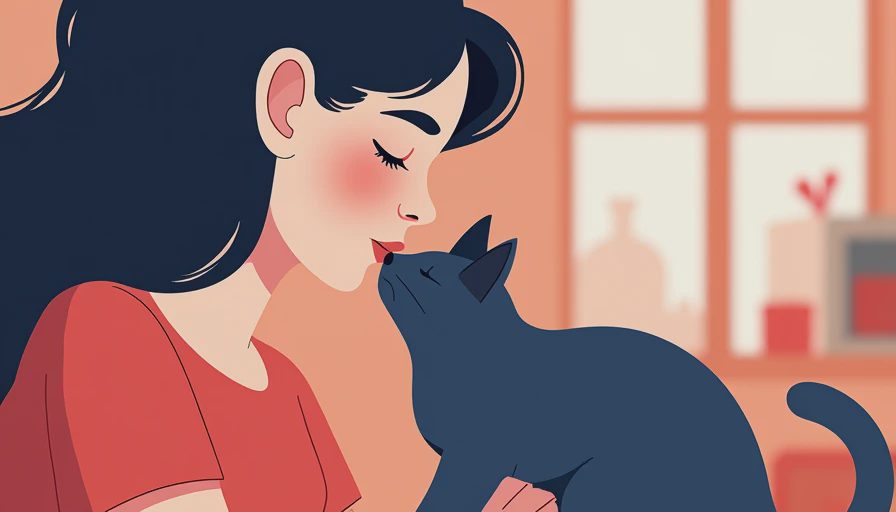
Cats learn grooming from their mothers and often use grooming to build relationships with other cats. When your cat licks you, they might be treating you like part of their social group. This is one common answer to why does my cat lick me, particularly when the licking happens during cuddling, purring, kneading, or slow blinking.
Your cat may also be copying the grooming behavior they saw as a kitten. A few licks on your fingers or hair can be their version of saying, “You belong here.” Some cats groom family members more than others, so do not worry if your cat shows affection by sitting nearby instead of licking.
The texture can be surprising. Cat tongues have tiny, backward-facing structures that make them feel rough, almost like fine sandpaper. That design helps cats remove loose fur and dirt from their own coats. It also explains why a loving lick can become uncomfortable after several minutes.
If you enjoy it, let your cat continue for a little while. If the tongue becomes irritating, move your hand gently and offer a calm alternative, such as a cheek scratch or a soft toy. Avoid scolding. Your cat is not being rude, and punishment can make a harmless bonding habit confusing.
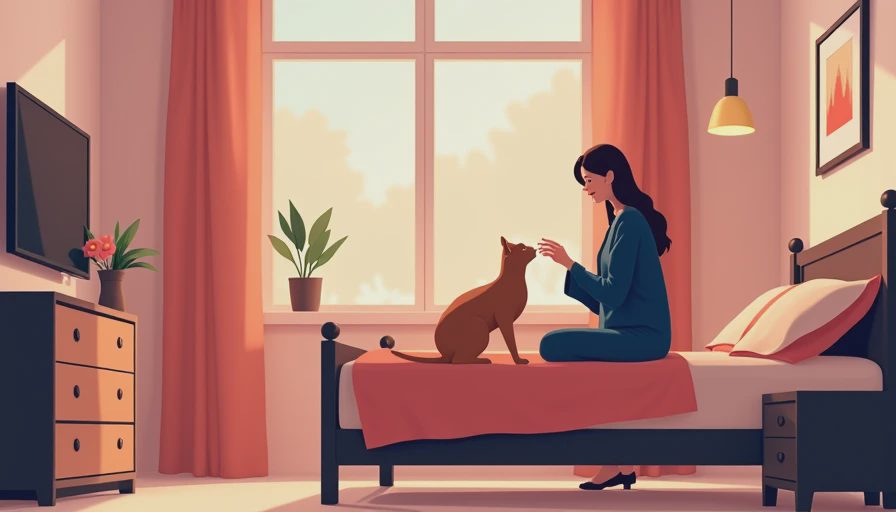
Why does my cat lick me and then bite?
This pattern often worries new owners, but a lick followed by a small, controlled nip is not automatically aggression. Cats can become overstimulated during close contact. The licking may begin as social grooming, while the bite communicates that the interaction has become too intense. This is another useful clue when you are wondering why does my cat lick me during play or petting.
Watch the rest of the body instead of focusing on the bite alone. Relaxed ears, a loose tail, soft eyes, and a purring body usually suggest the cat is comfortable. Flattened ears, a twitching tail, tense shoulders, wide pupils, or sudden skin rippling suggest that your cat needs space.
I used to keep petting my cat because she was still sitting beside me. This is where I overestimated myself. Sitting nearby does not always mean “keep touching me.” Some cats want company without constant handling. When you notice early warning signals, stop petting and let your cat choose what happens next.
Why does my cat lick me when I am sweaty?
Sweat leaves salt and other skin compounds behind, and some cats seem especially interested in that taste. Your cat might lick your hand after a workout, your ankles after a hot day, or your arm when you return from outside. In this situation, why does my cat lick me has a less sentimental answer: your skin smells and tastes different.
Body lotion, soap, sunscreen, and hair products can also attract attention because they contain scents or oils. Do not encourage your cat to lick products from your skin, though. Certain ingredients, including essential oils and some topical medications, can be dangerous for cats if swallowed. Wash your hands after applying medication and keep the container out of reach.
If licking happens only occasionally and your cat otherwise eats, plays, and uses the litter box normally, it is usually not a major concern. Redirect the behavior with a toy, a small brushing session, or a clean blanket that carries your scent.
When licking is connected to stress
Licking can be comforting for a cat, especially during a change. Moving furniture, adding a baby, bringing home another pet, hosting visitors, or changing work hours can make a sensitive cat seek familiar routines. Your cat may lick you more because you are the safest predictable thing in the room.
Look for other stress signs, including hiding, reduced appetite, overgrooming, spraying, frequent meowing, or avoiding the litter box. One behavior by itself rarely tells the whole story. A cat that licks your hand and then naps normally is different from a cat that licks compulsively while pulling out fur.
Create a simple retreat with a bed, water, a hiding box, and a high resting spot. Keep meals and playtime reasonably consistent. In my house, a cardboard box placed in a quiet corner worked better than an expensive calming bed. Cats often value control and privacy more than decorative equipment.
When to call the veterinarian
Most affectionate licking does not require a veterinary visit. Contact your veterinarian if the behavior starts suddenly and intensely, comes with appetite or weight changes, or appears alongside vomiting, diarrhea, lethargy, pain, or major grooming changes. A cat that obsessively licks their own skin may have fleas, allergies, pain, or another medical problem.
Call sooner if your cat licks a topical medication, cleaning product, essential oil, or other substance that could be toxic. Do not induce vomiting unless a veterinary professional specifically tells you to do so. Save the product label or take a photo of the ingredients so the clinic can give more useful guidance.
A short video can also help. Cats often act differently at the clinic, and footage of the licking, body language, and surrounding situation gives the veterinarian better context.
How to respond without creating a battle
When people ask why does my cat lick me, they often want to know whether they should stop it. The practical answer is to decide based on comfort and safety. If the licking is gentle, occasional, and easy to interrupt, you can treat it as a quirky sign of trust. If it hurts or becomes repetitive, redirect it without making a dramatic event.
Move your hand slowly, offer a toy, or stand up and change the activity. Reward calm interaction with quiet attention rather than pushing your cat away. Wash any open scratches before they become irritated, and avoid letting a cat lick your face, eyes, or fresh wounds.
The best routine is boringly consistent: notice the context, read the body language, and watch for changes. Cats communicate in patterns, not single moments. Once you know your cat’s normal behavior, it becomes much easier to tell ordinary affection from stress or illness.
So, why does my cat lick me? Usually, your cat is grooming you, bonding with you, enjoying an interesting taste, or seeking comfort. You do not need a perfect interpretation every time. Start with calm observation, set gentle boundaries, and get veterinary advice when the behavior changes with other symptoms.
Letters
No letters yet. Yours could be the first.