If you have ever settled onto the couch and found your cat rhythmically pressing both front paws into your blanket, your lap, or your stomach, you have probably wondered: why do cats make biscuits? This behavior is called kneading, and it is usually one of the most normal, comforting things a cat can do. It can look funny, feel surprisingly sharp, and become confusing when your cat starts doing it at 5:30 a.m. on your chest.
I learned this one the messy way. Our cat kneaded a fleece throw so enthusiastically that the blanket slid off the couch, taking a mug of tea with it. Nothing was wrong with her. She had simply found a soft surface and a relaxing routine. Once you understand the reasons behind kneading, it becomes easier to enjoy the behavior without wondering whether you caused it or need to stop it.
Why do cats make biscuits?
The most common explanation is that kneading begins in kittenhood. Nursing kittens press their paws against their mother’s belly while feeding. That gentle pressure can help milk flow, and the movement becomes connected with warmth, safety, and comfort. Adult cats often keep the motion even though they no longer need it for nursing.
That does not mean your adult cat thinks you are its mother. It means the action can bring back a familiar feeling. A cat may knead when it is sleepy, relaxed, affectionate, or preparing to settle into a favorite spot. Soft blankets, sweaters, pillows, and laps are especially tempting because they offer resistance under the paws.
Cats also have scent glands in their paw pads. Kneading a blanket or cushion may leave a subtle scent marker, telling the cat that this comfortable place belongs in its familiar territory. You probably will not smell anything, and the behavior is not the same as spraying or another problem-marking behavior. It is simply part of how cats interact with their environment.
Some cats knead before lying down because the movement resembles an instinctive nest-making routine. Outdoor cats may pat down grass or leaves before resting. Your indoor cat may express a similar instinct on a fleece bed, even if the nearest wilderness is the artificial plant beside the television.
What kneading says about your cat’s mood
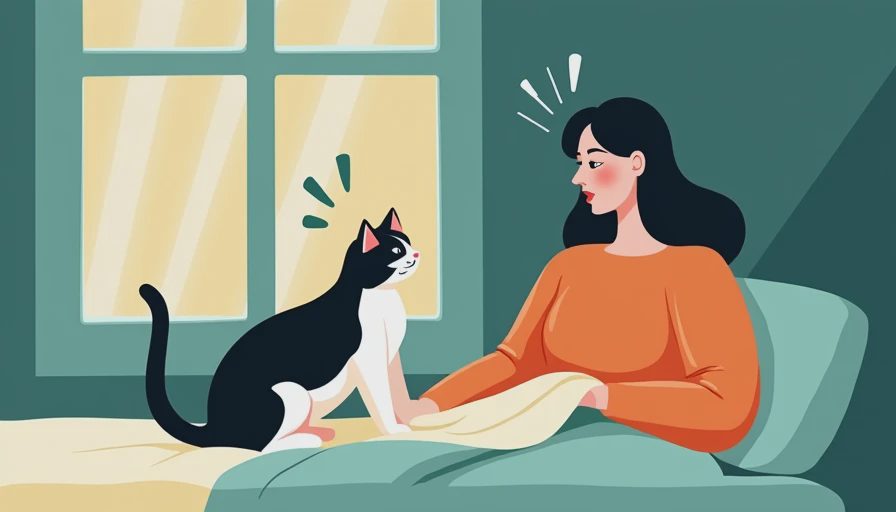
When people ask why do cats make biscuits, they are often really asking whether the behavior means their cat is happy. Frequently, it does. A cat that kneads while purring, blinking slowly, relaxing its whiskers, or curling its body into a soft bed is probably comfortable. Those signals together tell a clearer story than kneading by itself.
Your cat may also knead you as a social gesture. It can be a sign that your lap feels safe and familiar. My cat usually chooses my husband’s sweatshirt rather than his bare legs, which I interpret as affection with sensible padding. The important point is that kneading is not a test you need to pass. Your cat is not rejecting you if it chooses a blanket instead.
Kneading can happen during a calm greeting, after a meal, or right before sleep. Some cats knead only as kittens and stop as they mature. Others do it every day for their entire lives. Both patterns can be normal. Cats have individual habits, just as people have different ways of getting comfortable before bed.
Why do cats make biscuits on people?
A lap is warm, soft, and already associated with your scent, so it makes an appealing kneading surface. Your cat may choose your legs because they are available, or because sitting with you has become part of its evening routine. This is usually bonding behavior, not a demand that you remain perfectly still for the next hour.
The hard part is the claws. Even a gentle kneading cat can accidentally turn your lap into a pin cushion. You do not need to punish, shout, or shove the cat away. Put a thick blanket between you and the paws, trim the tips of the claws regularly, or calmly move your cat onto a nearby bed. A heated pet-safe bed is not necessary; a folded fleece blanket in a quiet corner often works just as well.
If you have children, show them how to respond without grabbing the cat’s paws. A child can place a blanket over their lap and pause the interaction if it becomes uncomfortable. That gives the cat a clear alternative while teaching the child that affection still requires boundaries.
When kneading becomes uncomfortable or unusual
Why do cats make biscuits if they seem anxious? Kneading can sometimes appear during stress, but the surrounding behavior matters. A cat that kneads briefly before resting is different from a cat that paces, cries, hides, stops eating, or repeatedly licks one area of its body.
A sudden change deserves more attention than a long-standing habit. If your cat starts kneading constantly while vocalizing, avoids being touched, has trouble jumping, or seems unable to settle, look for other signs of discomfort. Paw injuries, sore nails, arthritis, and general pain can change how a cat moves. Kneading itself does not diagnose any of these problems, but a noticeable behavior shift is a good reason to call your veterinarian.
Also watch the surface. A cat with an irritated paw may knead less, not more, or may repeatedly lick its pads after using a rough scratching post. Check for a torn claw, swelling, or something stuck between the toes only if your cat allows it safely. Do not force an inspection from a frightened animal.
How to manage claws without stopping the comfort
Many new owners make the same mistake I did: waiting until the claws are needle-sharp before doing anything. A calmer approach is to handle your cat’s paws for a few seconds at a time when the cat is already relaxed. Touch one paw, offer a small treat, and stop. Over several days, you can introduce a cat nail trimmer without immediately cutting.
Trim only the hooked tip, never the pink quick inside the claw. If your cat struggles, divide the job into tiny sessions or ask a veterinary clinic or professional groomer for help. A scratching post also helps maintain claw condition, although it will not replace trimming for every cat.
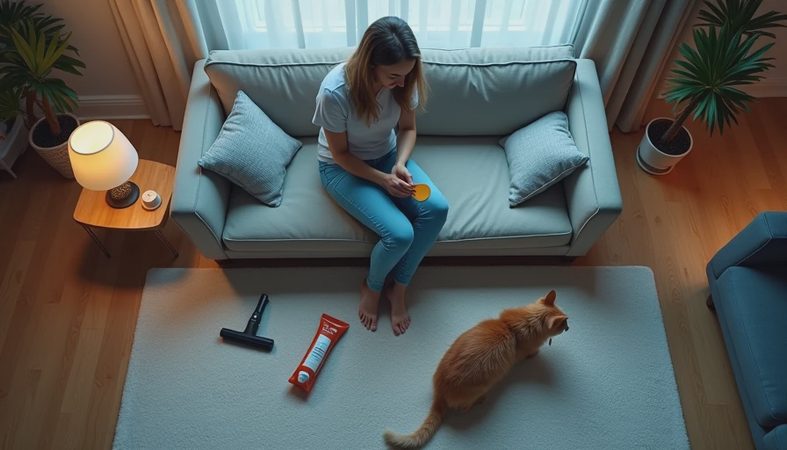
Place a washable blanket on the couch where kneading usually happens. Choose a dense fabric that will not unravel easily, and keep a spare nearby for laundry day. This simple setup protects furniture, catches loose fur, and lets your cat continue a comforting routine. I labeled our cat-supply basket “soft stuff” because apparently I needed a system for blankets, but the system actually worked.
A simple way to read the behavior
When you wonder why do cats make biscuits, start with three questions. Has your cat always done this, or did it begin suddenly? Does the cat look relaxed, or are there signs of fear and discomfort? Is the kneading causing a practical problem, such as scratched skin, damaged fabric, or conflict with a child?
Long-standing kneading paired with purring and relaxed body language is generally easy to accept. Protect your lap, offer a soft alternative, and let the habit remain part of your cat’s normal routine. If the behavior changes alongside appetite, movement, litter box use, sleep, or mood, contact a veterinarian instead of trying to interpret kneading alone.
The short answer to why do cats make biscuits is that kneading often combines kitten memory, comfort, scent marking, and nest-making instinct. It is not a sign that your cat is spoiled, confused, or secretly making bread. Give the paws a safe surface, keep claws manageable, and enjoy the oddly specific compliment of being chosen as a comfortable place to rest.

Letters
No letters yet. Yours could be the first.