Finding tiny black specks in your cat's fur is enough to make any new pet owner panic. I remember staring at the carpet, the couch, and my cat's bedding as if fleas had personally declared war on our house. The good news is that a cat fleas cure is usually a process, not a mysterious trick. You treat the cat safely, clean the environment, and repeat the right steps long enough to break the flea life cycle.
Start by confirming the problem
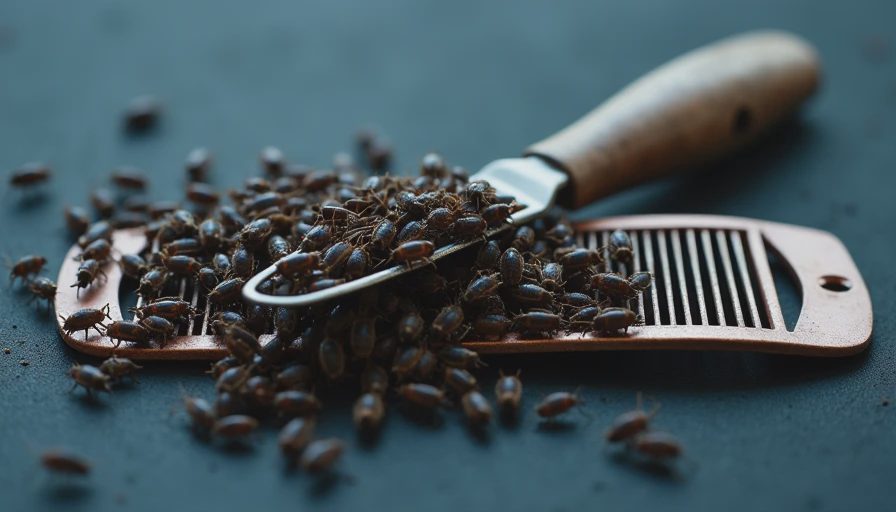
Fleas are small, quick, dark brown insects that often move when you part the fur. You might also see flea dirt, which looks like pepper. Put a few specks on a damp white paper towel. If they smear reddish brown, they are likely digested blood from fleas. A flea comb around the neck, lower back, and base of the tail can help you find evidence without putting anything harsh on your cat.
Itching alone does not prove fleas. Allergies, mites, skin infections, and other problems can look similar. If your cat has open sores, heavy hair loss, pale gums, weakness, or nonstop scratching, call a veterinarian promptly. Kittens, senior cats, and cats with other health problems deserve extra caution because a serious flea burden can contribute to anemia.
For a healthy adult cat, the safest cat fleas cure usually starts with a veterinary-approved flea medication labeled specifically for cats. Products containing ingredients such as selamectin, fipronil, or other approved compounds can be effective, but the correct product depends on age, weight, health, and local availability. Follow the label exactly. Never guess a dose by splitting a tube made for a larger animal.
Avoid the dangerous shortcut
This is where I overestimated myself. I assumed a flea product marketed for dogs would be stronger and therefore better. That is not how it works. Some dog flea products contain permethrin, which can be extremely dangerous to cats. Do not apply a dog product to a cat, and do not use essential oils, household insect spray, or a random online recipe as a substitute for veterinary guidance.
If your cat was exposed to a dog flea medication, contact a veterinarian or an animal poison control service immediately. Do not wait for shaking, drooling, weakness, or seizures to appear. Also keep treated dogs away from cats until the product's instructions say contact is safe. A cat may groom medication from another pet's fur.
A flea shampoo can remove adult fleas temporarily, but it rarely solves the whole problem by itself. The same is true of a flea collar if it is not an effective, properly labeled product. Ask your veterinarian or a qualified pharmacy professional to match treatment to your cat rather than stacking multiple products. More chemicals do not automatically create a better cat fleas cure.
Clean the home at the same time
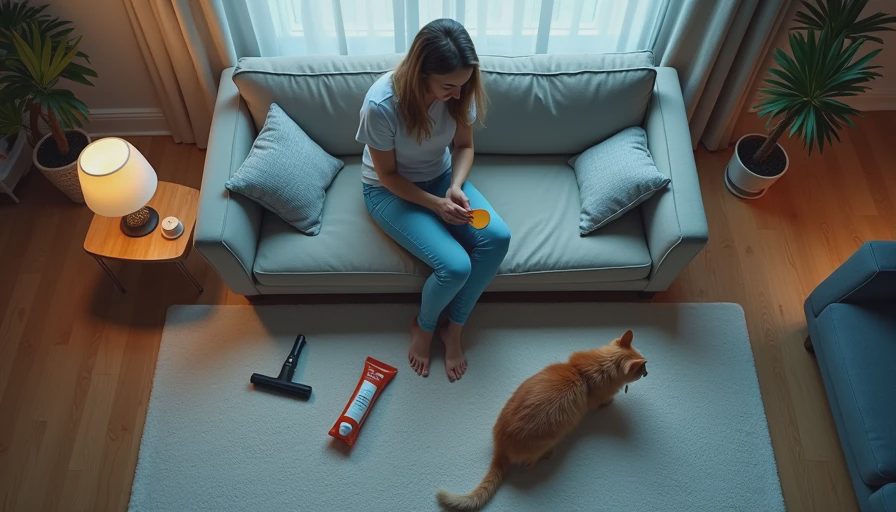
Treating only the cat is the mistake that keeps the problem going. Adult fleas live on animals, but eggs and immature stages can remain in carpets, floor cracks, upholstery, pet beds, and blankets. Vacuum rugs, sofa edges, baseboards, stairs, and the places where your cat naps. Empty the vacuum outside into a sealed bag so fleas do not crawl back out.
Wash bedding, washable blankets, and fabric toys in hot water when the material allows it, then dry them thoroughly. Move furniture enough to reach hidden corners. If your home has thick carpeting, vacuuming every day or every other day for a couple of weeks is much more useful than one dramatic cleaning session. Keep a small basket near the laundry area so pet bedding does not get mixed with regular clothes.
You may still see a few fleas after treatment because new adults can emerge from pupae in the environment. That does not automatically mean the medication failed. Continue vacuuming and follow the medication schedule. A complete cat fleas cure often takes several weeks because the flea life cycle does not end the moment adult fleas disappear.
Treat every pet and track progress
If you have a dog, another cat, or a rabbit, ask a veterinarian about each animal separately. Never assume one product is safe for every species. Untreated pets can keep supplying fleas to the home, even when the visibly itchy cat improves. Wash your hands after applying topical medication, and keep children from touching the application site until it is dry.
I found it helpful to make a simple calendar instead of relying on memory. Write down the date of treatment, the product name, the pet's weight, and the next scheduled dose. Mark vacuuming days and note whether scratching is improving. This turns a vague household worry into a routine you can actually manage.
For example, if a 10-pound adult cat receives a correctly labeled monthly treatment on Monday, the household plan might include vacuuming Monday, Wednesday, Friday, and the following week, plus washing the cat's favorite blanket. The exact medication schedule comes from the label or veterinarian. The cleaning schedule is what prevents the couch and carpet from becoming a refill station.
When professional help makes sense
Call your veterinarian if your cat is a kitten, pregnant, elderly, underweight, chronically ill, or taking other medication. Get help when scratching causes bleeding, when fleas remain heavy after properly used treatment, or when several animals are affected. A vet can check for anemia, skin infection, tapeworms, and the wrong diagnosis.
Do not pile on a second flea treatment because you are frustrated after two days. Contact the clinic first and explain the product, dose, application time, and your cat's symptoms. Some treatments begin killing adult fleas quickly, but complete household control still requires follow-up. Patience here is not passive; it is part of the cat fleas cure.
A calmer plan for next time
Once the infestation is controlled, prevention is easier than starting over. Choose a veterinarian-approved product that fits your cat's age and weight, then set a recurring phone reminder. Keep the flea comb with grooming supplies, vacuum the favorite sleeping areas regularly, and inspect your cat after boarding, travel, or time in a shared pet environment.
I learned this one the messy way: the expensive part was not buying one more spray. It was replacing products I used incorrectly and cleaning in bursts instead of following a plan. A safe cat fleas cure is less dramatic than the internet makes it sound. Use the right cat-specific treatment, clean the places your pet rests, include every household animal, and give the process enough time to work. If you are unsure, a quick veterinary call can prevent a dangerous mistake and get your home comfortable again.

Letters
No letters yet. Yours could be the first.