If you are wondering, are snake plants toxic to cats, the short answer is yes. Snake plants, also sold as Sansevieria or Dracaena trifasciata, contain compounds called saponins that can irritate a cat’s mouth and digestive system. They are not usually considered among the most dangerous household plants, but that does not make them a good snack. I learned this one the messy way: a tall plant can look completely out of reach until a bored cat discovers the exact route to its leaves.
The reassuring part is that a small nibble does not automatically mean a life-threatening emergency. The important step is knowing what exposure can look like, removing access, and contacting a veterinarian when symptoms appear or you are unsure how much your cat swallowed.
Why snake plants can upset cats
Snake plants produce saponins, natural chemical compounds that help protect the plant. When a cat chews the leaves, these compounds can irritate the lips, tongue, throat, and stomach. The usual concerns are drooling, licking the lips, vomiting, diarrhea, reduced appetite, and signs of mouth discomfort. Some cats may paw at their face or hide because they feel nauseated.
When people ask are snake plants toxic to cats, they are often imagining the worst possible outcome. In many cases, exposure causes temporary gastrointestinal irritation rather than severe poisoning. Still, the risk depends on the amount eaten, the cat’s size and health, and whether another substance was involved. A kitten that chewed several leaves deserves more immediate attention than an adult cat that took one quick bite and walked away.
Do not assume a plant is safe because it has been in your home for months without a problem. Cats can suddenly become interested after a move, a change in routine, or a long rainy day indoors.

Signs to watch for after a cat chews a snake plant
The first signs may appear fairly soon after chewing, although timing can vary. Check your cat for drooling, repeated swallowing, lip licking, vomiting, loose stool, or a sudden refusal to eat. Look at the plant for fresh bite marks, torn leaves, or missing sections. You may also find leaf pieces near the pot or in the cat’s usual sleeping area.
A mild stomach upset can sometimes pass, but repeated vomiting, severe diarrhea, weakness, trouble breathing, collapse, or swelling around the mouth should be treated as urgent. Breathing trouble is not a typical symptom to watch casually. It can signal a more serious problem, an allergic reaction, or a different exposure that happened at the same time.
If you are asking are snake plants toxic to cats because your cat has just chewed one, take a quick photo of the plant and note the approximate time. Save a leaf sample or the plant label if it is easy to do safely. Call your veterinarian, an emergency veterinary clinic, or a recognized animal poison control service for guidance. Do not induce vomiting unless a veterinary professional specifically tells you to do so.
What to do right after exposure
Start by moving your cat away from the plant and placing the plant somewhere inaccessible. If there are loose pieces in your cat’s mouth and they can be removed easily, gently take them away. Do not wrestle with a frightened cat or reach deep into the mouth. Offer fresh water, but do not force water, food, milk, oil, or home remedies.
Next, assess the situation without turning your living room into an emergency room. Is your cat alert? Is breathing normal? Is there vomiting? How much of the plant appears to be missing? A quick timeline helps a vet decide whether monitoring at home is reasonable or whether an examination is needed.
This is where I overestimated myself with pet care: I thought removing the obvious danger was enough, then forgot that fallen leaves can remain interesting. Vacuum or pick up fragments, inspect nearby furniture, and check whether the potting soil contains fertilizer, pesticides, or decorative materials. Those additions can create a separate hazard.
How to keep snake plants away from cats
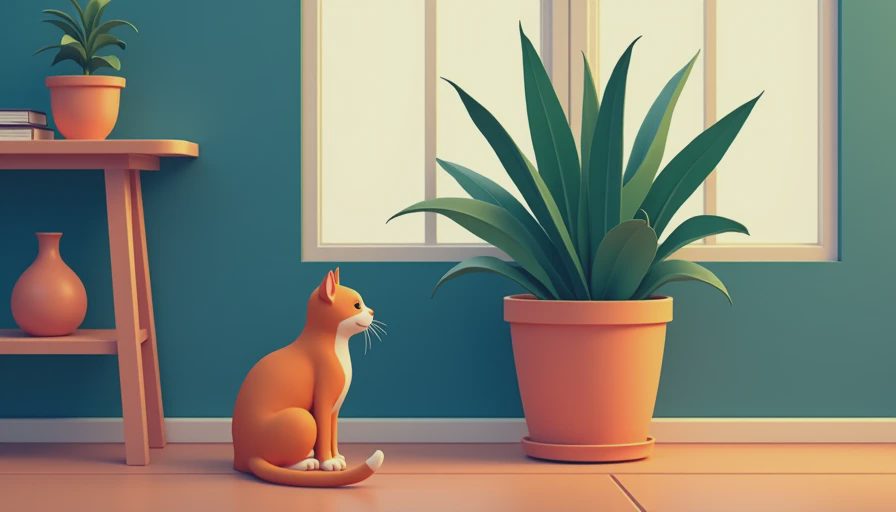
If you want to keep the plant, physical separation is more reliable than hoping your cat loses interest. A closed room is best. A tall shelf is only useful if your cat cannot climb to it from a bookcase, windowsill, countertop, or nearby chair. Hanging planters can work, but secure the hook and keep trailing leaves away from launch points.
For households asking are snake plants toxic to cats after a near miss, I would use a simple access test. Walk around the room at your cat’s eye level. Look for routes involving furniture, curtains, shelving, and stacked storage bins. Move the plant, not just the pot, until there is no practical jump path. Remember that a determined cat may jump higher than you expect, especially when the home is quiet at night.
A plant stand behind a closed baby gate can be helpful if your cat does not climb gates. For a persistent climber, a closed door is safer. Keep plant care supplies stored too, because fertilizer, pesticides, and treated leaves can be more concerning than a small taste of the plant itself.
Safer plant choices for a cat-friendly home
If the risk makes you uncomfortable, replacing the snake plant is a reasonable choice, not an overreaction. Cat-friendly options commonly include spider plants, Boston ferns, African violets, orchids, and areca palms, although any plant can cause stomach upset if an animal eats a large amount. “Nontoxic” does not mean “food,” and fertilizer or pesticide treatment still matters.
Before buying a replacement, look up the exact plant name rather than relying on a store sign that says “pet friendly.” Common names can be confusing, and similar-looking plants may have different safety profiles. The ASPCA maintains a widely used plant toxicity database, and your veterinarian can help if you are unsure about a particular variety.
I prefer one large, clearly identified plant over a crowded collection of mystery greenery. Fewer pots make it easier to inspect leaves, notice chewing, prevent soil spills, and keep watering supplies organized. A labeled plant area also helps children remember what they should not touch or feed to the cat.
A simple plan for preventing another scare
If you are still asking are snake plants toxic to cats, put the answer somewhere practical: treat them as plants your cat should not chew. First, remove access today. Second, inspect the plant and surrounding floor for missing leaves. Third, save the label or take a photo. Fourth, watch for drooling, vomiting, diarrhea, appetite changes, weakness, or breathing problems. Fifth, call a vet promptly if symptoms develop or the amount eaten is unknown.
For the long term, choose plants based on your actual home, not an idealized version of it. A plant on a high shelf is not secure if your cat regularly climbs there. A closed office is safer than a decorative basket beside the couch. If you are bringing home a kitten, assume every dangling leaf will become a toy until proven otherwise.
The goal is not a perfectly decorated, plant-free house. It is a setup that gives your cat fewer chances to make a bad decision while you are cooking, working, or sleeping. Snake plants are manageable when completely inaccessible, but replacing one can make daily life simpler. If your cat has already chewed a leaf, stay calm, remove the plant, observe carefully, and get professional veterinary advice when symptoms or uncertainty justify the call.


Letters
No letters yet. Yours could be the first.