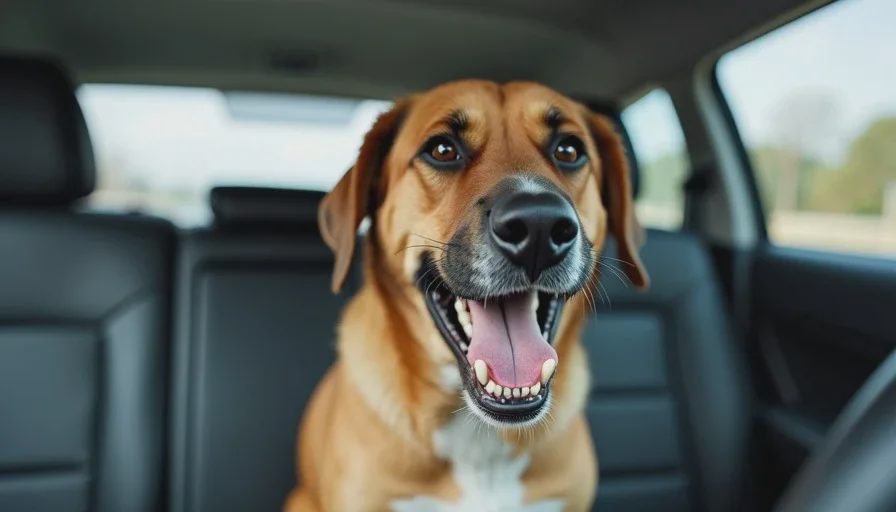
The first time I tried to take my rescue dog to the vet, I made it exactly four blocks before I pulled over.
She was panting so hard I thought she was overheating. Drool was dripping from her jowls in long, stringy ropes. She had wedged herself behind the driver's seat, trembling, and refused to look at anything except the floor. When I tried to coax her forward, she let out a low, pitiful whine that broke my heart.
I turned around, drove home, and called the vet to reschedule.
I learned this one the messy way.
I had assumed that all dogs love car rides. You know the image—ears flapping in the wind, head out the window, tongue flapping with joy. That is not my dog. That has never been my dog. And for the first six months, every car ride was a battle of wills that left us both exhausted.
If your dog hates the car, I see you. I've been you. And I've finally figured out a system that works—not perfectly, but well enough that we can actually get where we're going without a panic attack.
Here's my beginner's car ride checklist for dogs that hate the back seat. No fancy gadgets required. Just patience, preparation, and a few simple changes.
Why Do Some Dogs Hate the Car?
Before we get to the checklist, it helps to understand why your dog might be miserable. There are usually three reasons:
1. Motion Sickness
Puppies and young dogs often have underdeveloped inner ears, which makes them prone to nausea. The drooling, panting, and vomiting are physical reactions, not behavioral ones.
2. Negative Associations
If the only time your dog gets in the car is to go to the vet, the groomer, or somewhere else stressful, they've learned: car = scary thing. They don't understand that cars also lead to fun places.
3. Lack of Control and Confinement
Some dogs hate being confined in a moving box where they can't escape. The vibration, noise, and unfamiliar movements trigger their anxiety.
Knowing the cause helps you pick the right fix. For us, it was a combination of all three. Here's how we tackled each one.
The Pre‑Trip Checklist (Start Days or Weeks Before)
If your dog already hates the car, don't wait until the day of a big trip to fix it. Start desensitizing them well in advance.
✅ Step 1: Practice "Happy Car" Time
Don't go anywhere. Just sit in the car.
Open the doors. Let your dog jump in and out on their own. Give treats.
Sit in the back seat with them. Pet them. Give a chew toy. Play gentle music.
Do this for 5‑10 minutes a day, for a few days. No engine. No moving. Just positive association.
When they seem relaxed, turn on the engine but don't move. Treats and praise while the engine runs. Then turn it off and get out.
This teaches your dog: the car isn't always a scary destination. Sometimes it's just a treat room.
✅ Step 2: Short, Fun Practice Drives
Once they're comfortable with the parked car, do micro‑trips:
Drive to the end of the driveway and back. Treats.
Drive around the block. End with treats and a walk.
Drive to a nearby park, get out, play for 5 minutes, then drive home.
The goal is to create positive or neutral experiences before you actually need to go somewhere important.
The Day‑Of Checklist (Before You Leave)
When you actually need to drive somewhere—whether it's the vet, a friend's house, or a camping trip—this is what I've learned to do.
✅ Step 3: Skip the Big Meal
A full stomach + car motion = vomiting. I used to feed my dog before a drive, thinking she'd be more comfortable. Big mistake.
My rule: No food for at least 2‑3 hours before a car ride. A small snack (like a few treats) is fine, but no full meal. Water is okay, but don't let them gulp a big bowl right before leaving.
✅ Step 4: A Pre‑Ride Potty Break
This seems obvious, but I forgot it once and paid the price. Take your dog for a short walk to pee and poop before loading them in the car. It reduces the chance of accidents and makes them physically more comfortable.
✅ Step 5: Choose the Right Restraint
This is where I originally went wrong. I just let my dog roam loose in the back seat. She slid around during turns, felt unstable, and panicked.
The options (choose one):
Crash‑tested crate: The safest option. Secure the crate in the back with a seatbelt or straps. For anxious dogs, covering the crate with a light blanket creates a cozy, den‑like space.
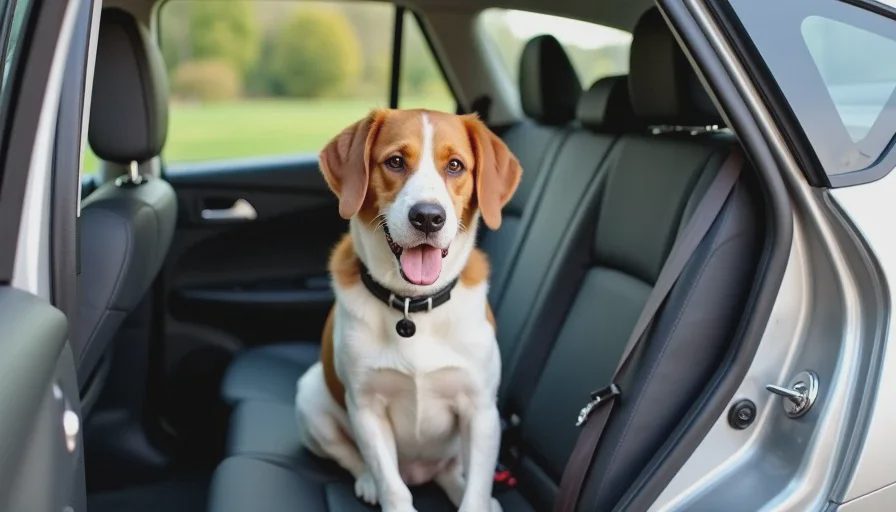
Dog seatbelt harness: This clips into the seatbelt buckle and gives your dog some freedom to sit or lie down, but keeps them from flying around during sudden stops. Make sure it's crash‑tested—many cheap ones aren't.
Back seat hammock: This is what we use. It's a waterproof cover that creates a "hammock" between the front and back seats. It catches drool, mud, and crumbs, but more importantly, it gives my dog a stable surface to stand on. She feels less like she's sliding around.
What to avoid: Letting your dog ride in the front seat (airbags are dangerous for dogs) or having them stick their head out the window (debris can hit their eyes, and it's actually very stressful for some dogs).
✅ Step 6: Manage Anxiety with Sensory Tools
I don't rely on medications for every trip, but I use a few low‑cost tools:
Familiar blanket: I put one of her beds or a worn t‑shirt of mine in the back seat. The familiar scent calms her.
Calming music or white noise: We play a "dog relaxation" playlist on Spotify. It drowns out the engine noise and street sounds. Rain sounds also work well.
Pheromone spray: We spray the back seat with Adaptil (a synthetic dog pheromone) about 15 minutes before she gets in. It's not a magic fix, but it takes the edge off.
Chew toy or stuffed Kong: A long‑lasting chew (like a peanut butter‑stuffed Kong) gives her something to focus on besides her anxiety. She only gets it in the car, so it's a special treat.
✅ Step 7: Adjust the Temperature and Airflow
Dogs don't sweat like we do. They cool themselves by panting, so car ventilation matters.
Crack the windows slightly (not enough for them to stick their head out) to allow airflow.
Run the air conditioning or heat to keep the car comfortable.
If it's hot, never leave your dog in the car alone—not even for "just a minute." Cars heat up dangerously fast.
The On‑The‑Road Checklist (During the Drive)
Once you're actually moving, these small adjustments make a huge difference.
✅ Step 8: Keep the First 5 Minutes Calm
The first few minutes set the tone. Drive slowly, take turns gently, and keep the radio low. If your dog is anxious from the start, it's hard to calm them down once you're on the highway.
✅ Step 9: Don't React to Their Anxiety
This was hard for me. When my dog started panting and whining, I'd talk to her in a soothing voice, pet her, and try to calm her. But I was actually rewarding her anxiety.
The fix: I stopped giving attention when she was anxious. I drive calmly, stay quiet, and wait for a moment of calm—then reward that moment with a calm "good" and a treat (if it's safe to hand one back).
If she's panicking, I don't scold. I just don't engage. She eventually realizes that panicking doesn't get her anything, and settling down might.
✅ Step 10: Take Breaks for Longer Drives
On trips longer than 30 minutes, plan for a short break:
Pull over at a quiet spot.
Let your dog out to walk around and pee.
Offer a small drink of water.
Give them a few minutes to decompress before getting back in.
We used to power through, thinking it would be faster. But a stressed dog makes the whole trip miserable. A 5‑minute break saves us 20 minutes of chaos.
What We Carry in the Car (The Emergency Kit)
After a few disastrous trips, I assembled a permanent "car kit" that lives in the back:
Paper towels and enzyme cleaner for accidents.
A couple of old towels for drool, mud, or spills.
Poop bags (always).
A small bottle of water and a collapsible bowl.
High‑value treats (freeze‑dried liver or cheese) that she only gets in the car.
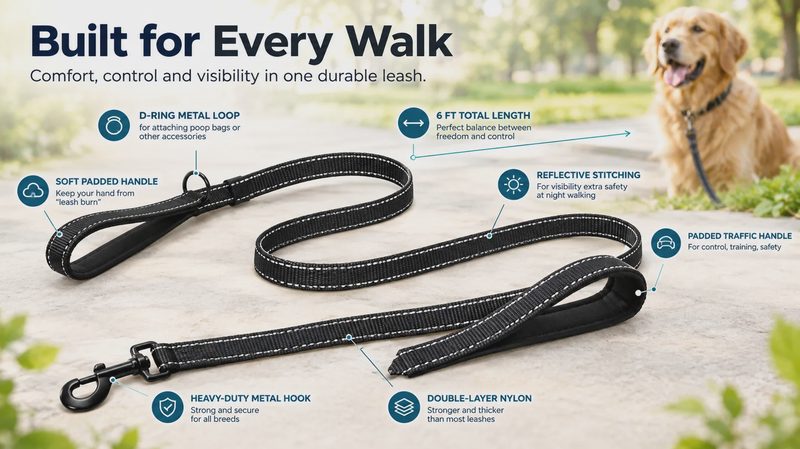
A spare leash (in case I forget her regular one).
Wipes for wiping paws and cleaning up drool.
A spare blanket (because she's always messier than I expect).
This kit stays in the car, so I never have to pack for each trip. It's saved me more times than I can count.
The One Thing That Changed Everything
Out of everything on this checklist, the one thing that made the biggest difference for my dog was:
Driving to fun places, not just scary ones.
For the first two months, every car ride was to the vet. She made the association: car = needles and strangers touching me. No wonder she hated it.
So I started driving her to fun places:
A quiet park where we could sniff and walk.
A friend's house with a yard and treats.
A drive‑thru coffee place where she got a "puppuccino" (whipped cream).
Within a few weeks, her anxiety dropped noticeably. She still doesn't love car rides, but she doesn't panic anymore. She knows that sometimes, the car leads to good things.

Letters
No letters yet. Yours could be the first.