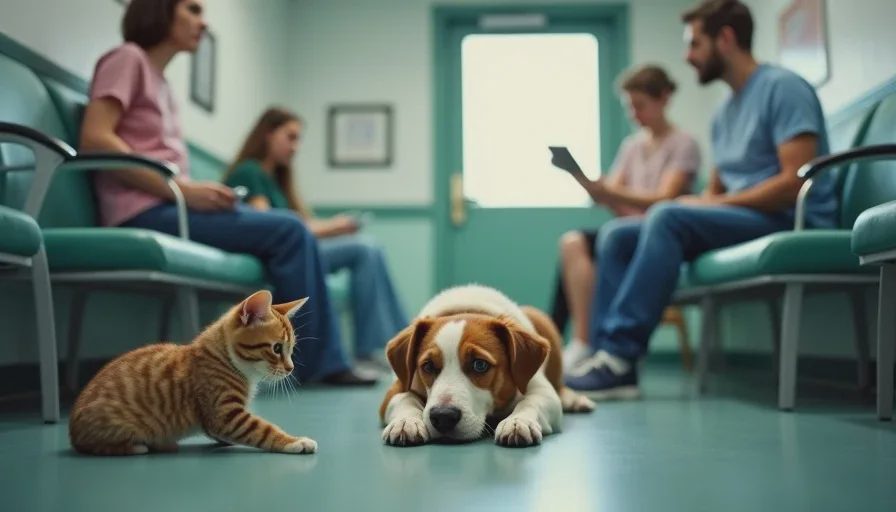
I still remember pulling into the vet parking lot with a dog who was shaking in the back seat and a cat who was howling in her carrier like she was being transported to a different planet.
I had scheduled both appointments on the same day to "get it over with." That was mistake number one.
I had also packed exactly zero treats, zero calming aids, and zero patience. By the time we got inside, my dog had peed on the floor, my cat had escaped the carrier in the exam room, and I was sweating through my jacket while the vet tech gave me a look that said, "First time, huh?"
I learned this one the messy way.
That appointment was a disaster. But you know what? We survived. And I made so many changes for the second visit that it felt like a completely different experience.
If I could go back and redo that first vet visit, here are the six mistakes I'd avoid—and what I'd do instead.
Mistake #1: Scheduling Both Pets on the Same Day
I thought I was being efficient. Two pets, one trip, done.
What actually happened:
The dog's anxious energy spiked the cat's fear.
I couldn't focus on both at once.
The waiting room was chaotic, and both animals fed off each other's stress.
The appointments ran long, and by the end, everyone was exhausted and overstimulated.
The fix:
Schedule separate vet visits for each pet, at least a week apart. That way, you can give each animal your full attention, and you're not juggling two carriers, two sets of paperwork, and two sets of anxiety.
If you have multiple pets, also book the first appointment of the morning or last of the afternoon—the waiting room is quieter, and you're less likely to have long delays.
Mistake #2: Not Getting the Carrier Ready in Advance
I grabbed the cat carrier from the garage, popped the cat inside, and drove off. I didn't think about the fact that it had been sitting in a cold garage for months, smelling like dust and old cardboard.
What actually happened:
The cat refused to go in, so I had to force her—which terrified her.
The carrier had no soft bedding, so she slid around during turns.
The door latch was stiff, and I struggled to close it securely.
The fix:
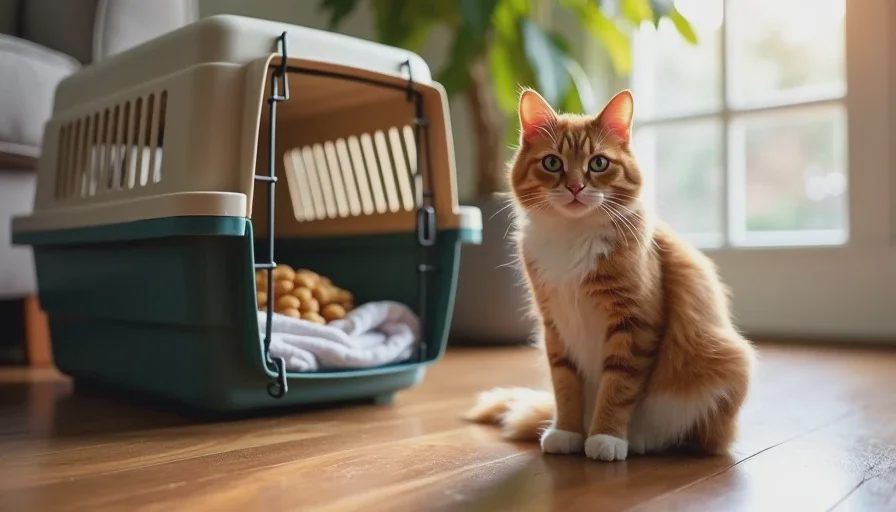
Prep the carrier at least a week before the visit. Here's my new routine:
Place the carrier in a common area with the door open, and put a soft blanket or towel inside (one that smells like home).
Toss treats inside daily so your pet associates it with positive things.
For cats, let them sleep or hang out in it voluntarily—many will start using it as a bed.
On the day of the visit, put a worn t‑shirt of yours inside for comfort.
Also, practice short car rides a few days before—just drive around the block and back, with treats, so the car isn't associated only with scary destinations.
Mistake #3: Not Bringing Treats or Calming Aids
I walked into that vet office with nothing but a credit card and a hopeful expression. No treats, no favorite toy, no spray, no blanket—nothing to distract or soothe my pets.
What actually happened:
My dog was too anxious to take treats from the vet, so the exam was a struggle.
My cat was so stressed she wouldn't let the vet touch her.
I had no way to reward calm behavior or redirect attention.
The fix:
Pack a "vet visit bag" that stays ready at all times:
High‑value treats – something extra special (boiled chicken, freeze‑dried liver, or tuna) that your pet only gets at the vet.
A favorite toy – for dogs, a squeaky toy or a tug rope; for cats, a wand toy or a crinkle ball.
Calming spray or wipes – products with pheromones (like Adaptil for dogs or Feliway for cats) can reduce anxiety. Spray the carrier and the exam table 10 minutes before the appointment.
A familiar blanket – something with your scent that they can lie on.
Bonus tip: If your pet is highly anxious, ask your vet about anti‑anxiety medication or gabapentin for future visits. We now give our cat a low dose before appointments, and it makes a world of difference.
Mistake #4: Not Writing Down Questions in Advance
When the vet asked, "Any concerns?" I drew a complete blank. I had a dozen questions floating in my head, but I couldn't remember a single one under pressure.
What actually happened:
I forgot to ask about the dog's weird skin bump.
I forgot to ask about the cat's occasional vomiting.
I left without a clear understanding of the vaccine schedule or the recommended flea prevention.
The fix:
Keep a running list of questions on your phone (or a sticky note on the fridge) starting from the day you bring your pet home. Add to it whenever something pops up. Then, before the appointment, transfer the most important 3‑5 questions to a small index card or a note in your phone.
At the appointment, read them aloud—don't be shy. Vets appreciate prepared owners.
Also, ask for written instructions for any medications or home care. I used to rely on memory, and I'd always mess up the dosage or timing. Now I ask the vet to print or email a summary.
Mistake #5: Not Knowing the "What If" for Emergencies
I assumed that if something went wrong, the vet would tell me. But I didn't have the clinic's after‑hours number saved, I didn't know the nearest emergency vet, and I didn't know the signs of a reaction to vaccines.
What actually happened:
My dog had a mild reaction to the rabies vaccine (swelling near the injection site). I panicked because I didn't know if it was normal.
I had to call the clinic and wait on hold for 15 minutes.
The fix:
Before your first visit, ask the vet for their after‑hours contact policy. Save the number in your phone. Also, locate the nearest 24‑hour emergency vet and add their address and number to your contacts.
Ask these three questions at the first appointment:
What are the common side effects of the vaccines we're giving today, and when should I call you?
What's the best way to reach you after hours?
If we need a prescription refill, how much notice do you need?
Knowing these answers in advance saved me from a lot of midnight anxiety later.
Mistake #6: Not Practicing "Handling" Before the Appointment
My dog had never been touched by a stranger in a clinical way. My cat had never had her ears checked or her temperature taken. When the vet tried to examine them, they squirmed, growled, and tried to escape.
What actually happened:
The dog's exam took twice as long because she wouldn't stand still.
The cat's exam was so stressful that the vet recommended coming back another day for bloodwork.
The fix:
Teach your pet to accept handling before the first visit. Here's what we practice at home now:
For dogs: Gently touch their paws, ears, mouth, and tail daily. Reward with treats. Lift them slightly, check their belly, and touch their collar. This mimics the vet's exam.
For cats: While they're relaxed, gently touch their ears, open their mouth briefly, and touch their paws. Reward with treats. Also, get them used to being in a carrier and being lifted.
Also, ask the vet if you can do a "happy visit" —a quick, non‑exam visit where your pet just comes in, gets weighed, gets treats, and leaves. This builds positive associations before the real exam.
The "New" Vet Visit Routine That Works for Us
Now, before every appointment, I go through a checklist:
Schedule separately for each pet.
Carrier prep: open, comfy blanket, treats inside for a week.
Practice short car rides with treats.
Pack vet bag: high‑value treats, toy, calming spray, familiar blanket.
Write down 3‑5 questions on my phone.
Confirm after‑hours contact and emergency vet info.
Practice handling touches for a few days prior.
Arrive 10 minutes early, not 30 (less waiting time = less anxiety).
The last visit? My dog walked in calmly, my cat was quiet in her carrier, and both exams were done in 15 minutes. The vet even commented, "You've got this down."
It wasn't luck. It was preparation.
A Quick Word on Costs
First vet visits can be expensive—especially if you're getting vaccines, a wellness exam, and possibly flea/tick/heartworm prevention. I didn't budget well the first time and had to put part of it on a credit card.
My advice:
Call ahead and ask for an estimate.
Ask if they offer payment plans or wellness plans (many clinics have monthly subscription plans that cover routine care).
Prioritize core vaccines first; you can spread out optional ones.
Keep a small emergency fund for vet visits—even $50 a month helps.
You're Not Alone
That first vet visit was humbling. I felt judged, unprepared, and like a failure. But the vet tech gently said, "This is normal. Most first appointments are chaotic. You're doing fine."
She was right. Every new pet owner goes through this. The secret is to learn from the chaos, not beat yourself up over it.
If I could reset that first vet visit, I'd do all the prep work above—and I'd also be kinder to myself. Because your pet feeds off your energy. When you're calm, they're calmer. And when you're prepared, you can handle whatever comes up.
So take a breath, make your list, and know that your second visit will be 10 times easier than the first. Mine was.


Letters
No letters yet. Yours could be the first.