Finding the best cat litter for odor control sounds simple until your hallway smells like a litter box before breakfast. I learned this one the messy way. I bought the biggest bargain bag, placed the box beside the laundry room, and assumed scooping every few days would be enough. It was not. The right litter helps, but odor control also depends on the box, the depth, ventilation, and a routine you can actually maintain.
What makes litter control odor effectively?
The best cat litter for odor control usually handles three jobs: it absorbs urine quickly, traps smells instead of covering them with perfume, and forms solid clumps that are easy to remove. Clumping clay is popular because it creates a firm scoopable mass and is widely available at grocery stores, pet stores, and retailers such as Chewy and Petco. Unscented formulas are often easier for cats and people to tolerate than heavily fragranced products.
Activated carbon, baking soda, and mineral-based absorbents can improve smell management, but packaging claims are not the whole story. A litter that controls odor in a sealed bag can still smell bad if the box is overloaded. Crystal litter absorbs liquid and can last longer between full changes, while plant-based litters made from corn, wheat, pine, or grass offer lighter texture and different levels of clumping. Cats have individual preferences, so a great product is useless if your cat refuses to use it.
For a first purchase, I would start with a low-dust, unscented clumping litter in a medium-size bag. That gives you a practical baseline without committing $30 or more to a product your cat dislikes. Keep the receipt, transition gradually, and watch whether your cat uses the box normally.

My practical litter choices for common homes
For most first-time cat owners, the best cat litter for odor control is an unscented clumping clay formula with strong, compact clumps. It tends to be the easiest option for daily scooping, and brands such as Dr. Elsey’s, Arm & Hammer, Tidy Cats, and Fresh Step offer several versions at different price points. I am not saying one brand wins for every household. I am saying this category gives beginners the fewest moving parts.
If dust is your biggest concern, look for a low-dust label and pour slowly near the bottom of the box. A corn or wheat litter can be a useful alternative, especially if you prefer a lighter bag, but some plant-based formulas break apart when wet and leave residue beneath the clean litter. Pine pellets can be affordable and have a woodsy smell, though they require a different box style and may take more adjustment.
Crystal litter is worth considering for a busy apartment or a household that travels occasionally. It can reduce the frequency of full litter changes, but you still need to remove solid waste promptly and stir the crystals as directed. If your cat dislikes the texture, no amount of odor claims will rescue the arrangement.
Box setup matters more than the label
Even the best cat litter for odor control will fail in a tiny, covered box wedged into a warm closet. Start with a box large enough for your cat to turn around comfortably. Many standard boxes are too cramped, especially for larger cats. An inexpensive storage tote with a low entry can work if the sides are safe and the opening is easy to access, but avoid sharp cut edges.
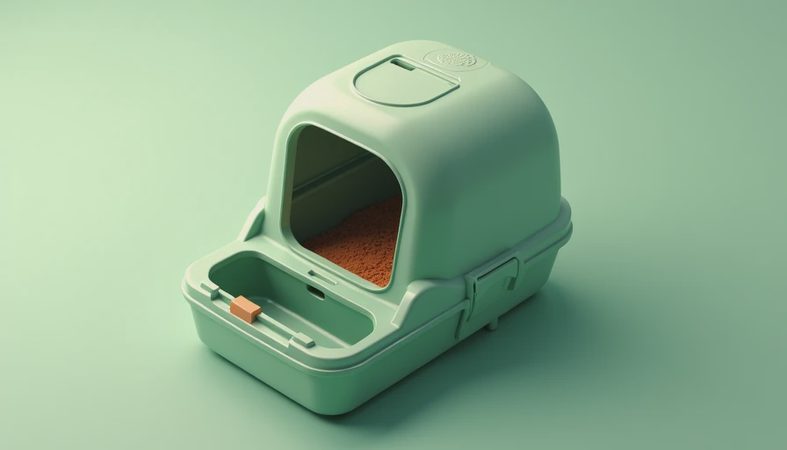
Put the box in a quiet location with some airflow, not beside food and water. A bathroom corner, spare room, or ventilated laundry area can work better than a hidden cabinet. Covered boxes may look tidier to humans, yet they can trap concentrated smells and make some cats feel cornered. If you use one, open it regularly and clean the lid and door instead of assuming the cover solves odor.
Use about two to three inches of litter unless the product instructions recommend something different. Too little allows urine to reach the bottom; too much encourages waste and makes scooping awkward. A large mat outside the box catches particles before they travel through the house. I keep a handheld vacuum beside the mat because waiting until the weekend turns five minutes of cleanup into a whole chore.

The cleaning routine that actually works
The best cat litter for odor control is only as good as the routine around it. Scoop solid waste and urine clumps at least once daily. With one adult cat, twice-daily scooping takes only a few minutes and can make a noticeable difference in a small home. If you have multiple cats, add boxes rather than expecting one box to handle everything. A common starting point is one box per cat plus one extra, placed in separate accessible areas.
Top off the litter after scooping so the depth stays consistent. Once a week, or according to the litter’s instructions, empty the box completely and wash it with warm water and mild unscented soap. Rinse thoroughly and dry it before adding fresh litter. Avoid bleach, ammonia, or strong household cleaners. Ammonia-like smells can be unpleasant to cats, and mixing cleaning chemicals can be dangerous.
Do not pour used litter into the toilet unless the packaging specifically says it is flushable and your plumbing system can handle it. In many homes, bagging waste and placing it in the trash is the safer approach. A small lidded waste container with odor-control bags can keep daily scoops from sitting in the main kitchen bin.
Troubleshooting odor, tracking, and refusal
If the best cat litter for odor control suddenly seems ineffective, check the box before buying another product. A sour smell can mean clumps are sticking to the bottom. A plastic box that is heavily scratched may hold odor and need replacement. A litter layer that is too shallow can also cause trouble. Wash the box, start with fresh litter, and observe the results for several days.
Strong perfume is not a reliable fix. Some cats avoid scented litter, and the combination of fragrance and waste can smell worse than an unscented product. If you are switching brands, mix a small amount of the new litter into the old litter over several days. A sudden change can lead to accidents outside the box, especially with a nervous or newly adopted cat.
Tracking is a separate problem from odor. A litter mat, high-sided box, and slow pouring technique can reduce the trail. Vacuum around the box regularly, but do not punish a cat for carrying litter on its paws. If your cat begins avoiding the box, strains, cries, or urinates unusually often, contact a veterinarian promptly because a medical problem can look like a litter preference issue.
How to choose without wasting money
When comparing the best cat litter for odor control, calculate the cost per pound and how often you must replace it, not just the shelf price. A $22 bag that lasts four weeks may be cheaper than a $14 bag that needs replacement every ten days. Read reviews for details about dust, clump strength, tracking, and whether the odor control works after several days of normal use.
Buy the smallest reasonable bag first. Keep the box in a manageable location, scoop consistently, and give the product a fair trial. If your cat uses it comfortably and the room smells neutral after routine cleaning, you have found a workable solution. You do not need a perfect setup with designer containers and expensive deodorizing powders. You need a box your cat accepts and a system your household can repeat.
If I could reset the first month, I would choose unscented clumping litter, use a larger open box, place a mat underneath, and scoop every morning. That combination gave me more improvement than switching between five dramatic-sounding products. The best cat litter for odor control is the one that fits your cat’s preference, your budget, and the cleaning habit you can maintain on an ordinary Tuesday.


Letters
No letters yet. Yours could be the first.