If you have ever looked at your kitten’s enormous paws and wondered when do cats stop growing, you are asking a very normal first-time-owner question. Most cats reach their adult height and length between 9 and 12 months, but many continue filling out until they are around 18 months old. Larger breeds can take two to four years to reach their full size. The short answer is useful, but the details matter because nutrition, genetics, health, and sterilization all affect how your cat develops.
I learned this one the messy way. My cat looked tiny for months, then suddenly became much longer, heavier, and more confident about taking over every warm chair in the house. Growth is not perfectly steady, so a kitten who seems unchanged for several weeks can still be developing normally.
When do cats stop growing by age and breed?
For most mixed-breed domestic cats, the fastest growth happens during the first six months. By the time a kitten reaches one year, it often looks like a smaller version of an adult cat. However, the body may continue gaining muscle and a little weight during the next six to eight months. This is why the answer to when do cats stop growing is usually “around one year for height, but later for full maturity.”
Breed makes a noticeable difference. A petite domestic shorthair may reach adult proportions before a large Maine Coon or Ragdoll. Maine Coons commonly keep growing for several years, with their frame, coat, and muscle developing gradually. That does not mean every cat from a large breed will become huge. Individual genetics matter more than a breed label alone.
Sex can also influence adult size, although it is not a reliable measuring tool. Male cats are often larger than females of the same type, but plenty of female cats are sturdy and plenty of male cats are compact. Looking at the kitten’s parents, current body condition, and growth pattern gives a better picture than guessing from sex alone.
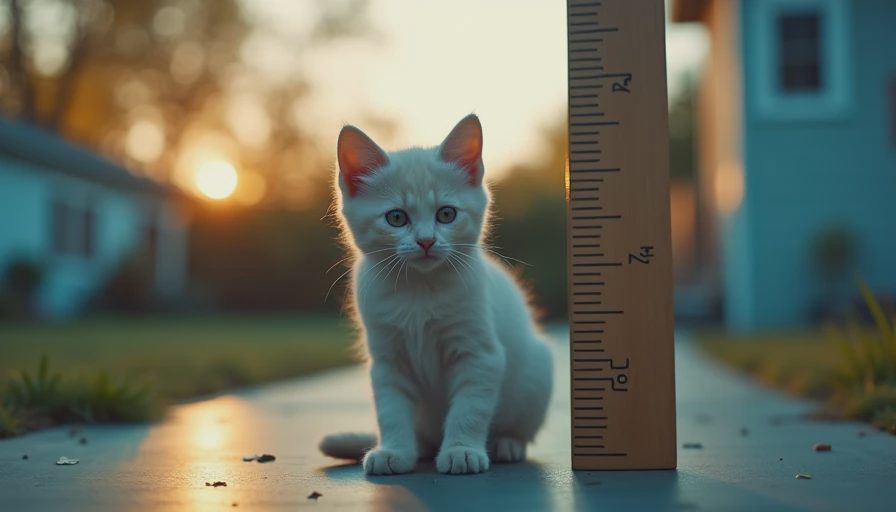
How kitten growth usually unfolds
During the first eight weeks, kittens grow quickly and need frequent meals, warmth, and careful monitoring. After adoption, growth remains rapid through roughly six months. You may notice longer legs, a changing face shape, larger paws, and a sudden increase in appetite. Some kittens look awkward during this stage because their limbs seem to grow before the rest of the body catches up.
From six to twelve months, many cats become leaner and more athletic. Their babyish roundness fades, and their adult coat may begin replacing softer kitten fur. This is also when many owners ask when do cats stop growing because the cat appears almost full-sized but still acts like a baby. Behavior and physical growth do not finish at the same time. A one-year-old cat can look mature while still being playful, impulsive, and easily distracted.
After the first birthday, growth usually slows. The cat may add muscle rather than noticeable height. A healthy adult should not keep gaining weight rapidly, though. A bigger number on the scale is not automatically continued growth; it can be excess body fat, especially after spaying or neutering when calorie needs sometimes decrease.
Food, portions, and healthy development
A complete kitten food is designed to provide the extra calories and nutrients required for growth. Look for food labeled for kittens or for all life stages, and follow the package guidance as a starting point. Kittens often need several small meals because their stomachs are small and their energy needs are high. Free-feeding can work for some thin, active kittens, but it can also create a habit of constant eating.
Your veterinarian can help adjust portions based on body condition rather than the food bag alone. You should be able to feel your cat’s ribs with light pressure, while the waist should be visible when viewed from above. Ribs that are sharply visible, a swollen belly, persistent diarrhea, or poor appetite deserve professional attention. So does rapid weight gain that makes the kitten look round rather than solid.
Do not give human vitamins, calcium supplements, or growth products unless a veterinarian specifically recommends them. Extra nutrients can be harmful, and a balanced commercial kitten diet is usually safer than trying to improve it with household additions. Fresh water should always be available, particularly if your kitten eats mostly dry food.
How to track your cat without becoming obsessive
You do not need a fancy pet scale to follow development. Weigh a young kitten every week or two using a bathroom scale: weigh yourself, then weigh yourself while holding the cat, and subtract the two numbers. Record the date, weight, food type, and any changes in appetite or energy. A simple note in your phone is enough.
The point is to notice a trend, not to chase a perfect number. If weight rises gradually and your kitten is alert, eating, playing, and using the litter box normally, that is reassuring. If the weight stays flat for several weeks, drops, or changes sharply, call the vet. Parasites, dental problems, digestive illness, and other conditions can interfere with growth even when a kitten seems cheerful.
Body shape is just as important as weight. A healthy kitten may look lanky during a growth spurt. That is different from a cat with a prominent spine, dull coat, weakness, or a persistent potbelly. Photos taken from the side and above can make changes easier to see than memory does.
Why growth can look different after spaying or neutering
Spaying or neutering does not usually stop a cat from reaching its genetic size. However, the procedure and the cat’s changing age can affect energy needs, appetite, and body composition. Some cats become less active afterward and gain weight because the same portion is now more than they need. Ask the clinic when to adjust food, and measure meals instead of estimating with a scoop.
The goal is not to keep a cat unusually thin. Growing kittens need enough food, and young adults still need a nutritious diet. The practical approach is to monitor body condition every few weeks and make small changes when needed. Your veterinarian can also check teeth, joints, heart rate, and overall development during routine visits.
When to call the veterinarian
Knowing when do cats stop growing is helpful, but a calendar cannot tell you whether one individual kitten is healthy. Contact a veterinarian if your cat stops eating, vomits repeatedly, has ongoing diarrhea, seems unusually tired, struggles to breathe, or loses weight. A kitten that is much smaller than expected may simply have small parents, but poor growth can also point to parasites, infection, inadequate calories, or an underlying illness.
At a routine appointment, bring your feeding notes and ask for an honest body-condition assessment. If I could reset the first month with my own cat, I would take regular weights, buy measured feeding cups, and stop comparing her size with random photos online. Most cats do their growing on their own schedule. Your job is to provide balanced food, safe play, regular veterinary care, and enough patience to get through the gangly stage.



Letters
No letters yet. Yours could be the first.