
I still remember the credit card charge that made me wince.
Two days before we picked up our rescue dog, I walked into a big‑box pet store with a Pinterest board and zero self‑control. I left with two carts full of stuff—a giant crate, three kinds of beds, a 12‑pack of toys, fancy food bowls, a grooming kit, and a leash that cost more than my work bag.
I was so proud of myself.
By the end of the first week, half of that haul was sitting in a corner collecting dust. The dog hated the expensive bed. The bowls slipped across the floor. The grooming brush never touched her coat because she was too scared to let me near her.
I learned this one the messy way.
If I could go back and rewrite that shopping list from scratch, I’d cut 70% of it and spend my money on the things that actually make those chaotic first days easier—for both of you.
So here it is: the beginner pet shopping list I wish I had started with. No fluff, no marketing gimmicks. Just the real, everyday essentials that got us through the first month without losing our minds.
The First Mistake: Buying for a Fantasy Version of Your Pet
When you don’t know your pet yet, you imagine them as a calm, cuddly companion who will love everything you buy. But the reality is:
You don’t know if they prefer soft or firm beds.
You don’t know if they’re a power chewer or a gentle nibbler.
You don’t know if they have anxiety triggers (like loud crinkle toys).
And you definitely don’t know what size collar they’ll need after they settle into their new weight.
My advice? Start minimal. Buy the basics for the first week, and then add as you learn their actual personality. Your pet doesn’t care about a fully stocked shelf—they care about consistency and safety.
The Rewritten Beginner Shopping List (Dog + Cat Friendly)
I’ve broken this into four categories: Feeding, Sleeping/Safe Spaces, Leash/Collar/Gear, and Cleanup. For each, I’ll tell you what to buy, what to skip, and why.
1. Feeding Setup – Keep It Simple
Buy:
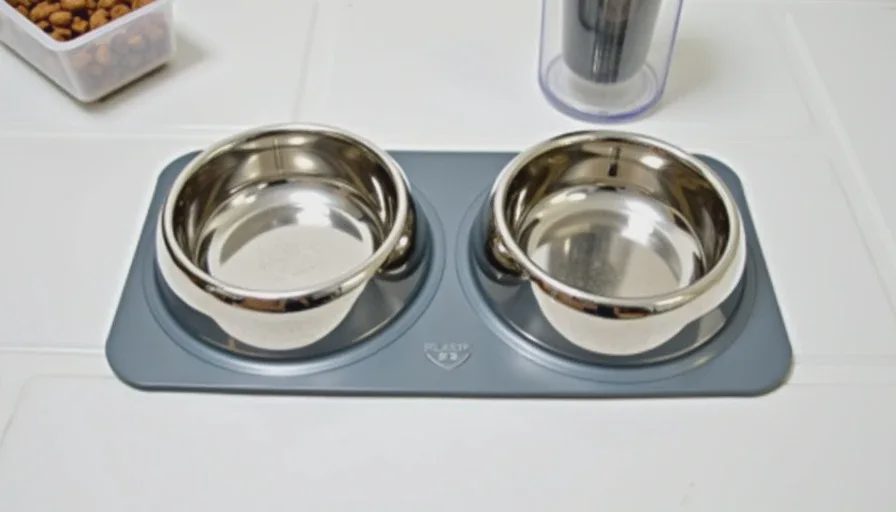
Two stainless steel bowls (one for food, one for water). They’re dishwasher‑safe, don’t hold bacteria like plastic, and won’t tip over as easily. Get the ones with a rubber ring on the bottom to stop sliding.
A small food storage container with a tight seal (or just use a large ziplock bag). You don’t need a fancy airtight bin unless you buy bulk bags—and as a beginner, you should start with a small bag of food anyway, in case your pet doesn’t tolerate it.
A basic placemat or tray under the bowls to catch spills. A cheap silicone mat from the kitchen aisle works perfectly.
Skip:
Elevated feeder stands (unless your vet specifically recommends them for large breeds—most dogs do fine with floor bowls).
Automatic feeders (you need to learn your pet’s eating rhythm first).
Fancy water fountains (a clean bowl of fresh water is enough for week one).
What I bought that was useless: A set of ceramic bowls with painted designs that chipped after three washes. And a mat with a raised edge that was impossible to clean. Stick with plain stainless.
2. Sleeping & Safe Spaces – Comfort Without Commitment
Buy:
One cozy, washable bed – but choose something affordable and machine‑washable. Your pet may not like it, or they may have accidents on it. I recommend a simple fleece or sherpa bed with a removable cover. Don’t spend over $40 until you know they’ll use it.
A crate or a playpen – if you plan to crate train, get a wire crate with a divider so you can adjust the size as your pet grows (or for adult dogs, just a properly sized one). Skip the fancy wooden crates—they’re heavy and hard to clean.
A couple of soft blankets – old towels or cheap fleece throws are perfect. They’re easy to wash and you can put them in the crate or on the couch. Your pet’s scent on these will comfort them.
Skip:
Orthopedic memory foam beds (wait until you know your pet has joint issues—they’re expensive and overkill for most young dogs or cats).
Multiple beds (start with one, then add more later if they like having options).
What I bought that was useless: An oversized donut bed that my dog refused to step into. It sat in a corner for months until I donated it. Also, a covered “cave” bed that my cat was terrified of—he preferred a simple cardboard box.
3. Leash, Collar & Outdoor Gear – Focus on Control, Not Style
For Dogs:
Buy:
A sturdy, basic 6‑foot leash – nylon or cotton, not retractable. Retractable leashes are dangerous for beginners because you have less control, and they can snap if your dog pulls hard. A fixed‑length leash lets you manage sudden lunges or scares.
A flat collar or a harness – I prefer a harness for beginners because it gives you better control without choking. Look for a simple front‑clip or back‑clip harness that’s adjustable. Make sure it fits snug but not tight (two fingers should fit under it).
A set of ID tags with your phone number (get them engraved at the store or online). Attach them to the collar right away.
Skip:
Retractable leashes (I cannot stress this enough).
Heavy chains or prong collars (these require professional training—not for new owners).
Fancy designer collars with buckles that are hard to adjust.
For Cats:
Buy:
A simple breakaway collar with an ID tag (in case they get out). Make sure it’s a breakaway for safety.
A small carrier – not a soft‑sided one for the first trip; get a sturdy plastic carrier that opens from the top or front. Top‑loading is a lifesaver for nervous cats.
What I bought that was useless: A leather leash that was too stiff and heavy for my small dog. And a “fashion” collar with a bell that irritated my cat so much he kept trying to scratch it off.
4. Cleanup & Accidents – Be Realistic
Buy:
Enzyme‑based pet stain remover – this is non‑negotiable. Regular carpet cleaners don’t break down the proteins in urine; enzyme cleaners do. Buy a big spray bottle and keep it near high‑traffic areas.
Paper towels or cheap washable rags – you’ll go through a lot of them. Stock up.
Poop bags – for dogs, get a roll with a dispenser that clips to your leash. For cats, you’ll need a litter box setup (see below).
For cats: A basic litter box (no lid for week one—some cats hate covered boxes) and a few bags of unscented clumping litter. Also a litter scoop.
Skip:
Fancy steam cleaners or carpet shampoos (they’re expensive and you can hire a pro if needed later).
Scented litter (many cats avoid it).
Those “training pads” for dogs—unless you plan to paper‑train long‑term, they can confuse your dog about where it’s okay to go.
What I bought that was useless: A high‑end carpet cleaner that I used twice and then gave away. Also a litter box with a built‑in rake that jammed constantly.
The 3 “Extras” That Actually Saved Us
After my first week of chaos, I bought three things that weren’t on any checklist but made a world of difference:
A small treat pouch that clips to my waist – kept treats handy for quick rewards during training moments.
A baby gate – not for babies, but to block off parts of the house until my dog learned the rules. Gave us both space.
A notebook – I started writing down feeding times, bathroom breaks, and weird behaviors. Within three days, I spotted patterns that helped me adjust the schedule. (You can use your phone, but I liked paper.)
My Final Rule: Wait 48 Hours Before Buying Anything “Extra”
Every pet is different. What worked for my friend’s golden retriever was useless for my rescue mutt. So here’s my golden rule for your first week:
Only buy the absolute essentials before pickup day. Then, after 48 hours with your pet, make a list of what you actually miss. Need a different harness? Order it. Need a calming spray? Try it. But don’t spend $200 on stuff you may never use.
If I could reset that first trip to the pet store, I’d walk in with this list and walk out with one cart—not two. And I’d save the rest of my money for the vet visits and the extra coffee I needed to survive those sleepless nights.
Your pet doesn’t need a perfect setup. They need you, a consistent routine, and a few reliable tools. Everything else is just noise.
What’s Next?
If you’re feeling overwhelmed by all the product choices out there, take a deep breath. You’re not alone. Next week, I’ll share the 5 home setup mistakes that made our first month harder—so you can avoid my biggest spatial blunders.
Until then, tell me in the comments: What’s the one thing you bought for your pet that turned out to be a total waste? I’ll go first—the $60 bed my dog used as a chew toy.


Letters
No letters yet. Yours could be the first.