If you are searching for hypoallergenic cats because someone in your home sneezes around pets, you are probably hoping for a simple answer: choose the right breed and the problem disappears. I wish it worked that neatly. Hypoallergenic cats can produce fewer allergy triggers for some people, but no cat is completely allergen-free. The most useful goal is reducing exposure while choosing an animal whose personality and care needs fit your actual household.
I learned this one the messy way. Before bringing a cat home, I focused on fur length and ignored litter dust, fabric furniture, ventilation, and the fact that my daughter wanted the cat in her bedroom. A calm setup mattered more than the coat itself. Here is what I would do differently now.
What “hypoallergenic” really means
Cat allergies are usually caused by proteins, especially Fel d 1, found in saliva, skin flakes, and other secretions. Cats spread the protein onto their fur while grooming, but the fur is not the only issue. A short-haired cat can still trigger symptoms, and a long-haired cat is not automatically worse. Dander can settle on couches, clothing, rugs, bedding, and car seats for weeks.
The phrase hypoallergenic cats generally means cats that may produce or spread fewer allergens than others. Individual cats vary, even within the same breed. Some people tolerate one Siberian but react strongly to another. That makes a short visit useful, though it cannot guarantee what will happen after a month of shared air and furniture.
Before adoption, spend at least an hour in a home with the specific cat if possible. Notice itchy eyes, congestion, coughing, or skin irritation during the visit and later that day. Anyone with asthma or a history of serious reactions should discuss the plan with a medical professional before bringing a cat home.
Breeds people often consider
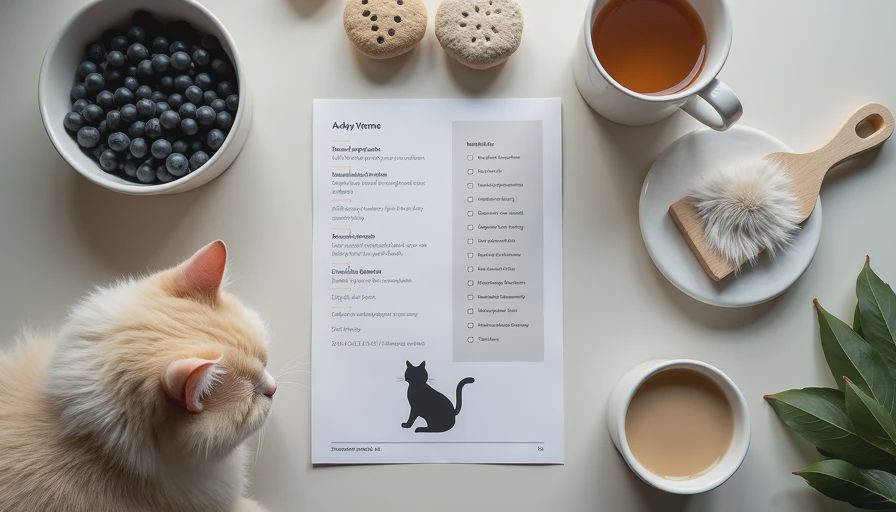
Several breeds frequently appear in conversations about hypoallergenic cats. Siberians are popular because some individuals produce lower levels of Fel d 1, although their fluffy coats still require regular brushing. Balinese cats have a silky coat and are often described as lower-allergen, but they can be social, vocal, and demanding of attention.
The Devon Rex and Cornish Rex have unusual coats that may leave less loose fur around the home. They still produce allergens, and their fine coats do not eliminate the need for cleaning. The Sphynx has little or no traditional fur, but its skin collects oils and allergens, so regular bathing and gentle skin care are part of the routine. A Russian Blue is another commonly suggested choice, especially for people who want a quieter, moderately active companion.
Breed labels should not replace meeting the actual animal. A rescue cat with a mixed background may suit your allergies and lifestyle better than an expensive kitten. Also remember that a purebred cat can cost several hundred dollars through adoption or well over $1,000 from a reputable breeder, before supplies, vaccinations, food, and veterinary care.
Test your home before making a commitment
The easiest mistake is adopting on Saturday and discovering on Sunday that everyone is miserable. Instead, arrange several visits with the cat or try a foster-to-adopt program. Keep a simple symptom log. Write down where you sat, how long you stayed, whether the cat slept on your lap, and how you felt that evening and the next morning.
If symptoms appear, ask whether the cat had recently been brushed, whether the room contained carpet, and whether another animal was present. These details do not provide a diagnosis, but they reveal patterns. A cat that seems manageable in a shelter office may feel very different in a small bedroom with closed windows.
For hypoallergenic cats, controlled introductions are especially valuable. Ask the shelter about trial periods, return policies, and medical records. Returning a pet is emotionally difficult, but an honest foster arrangement is kinder than forcing a family to live with constant breathing problems.
Set up an allergy-aware cat zone
Start with one easy-to-clean room rather than giving the cat the entire house immediately. Remove unnecessary rugs, washable curtains, and decorative pillows. Use a washable throw on the sofa and choose a litter mat that can be emptied outdoors. A HEPA air purifier in the main living area can help reduce airborne particles, while a vacuum with sealed filtration is more useful than a cheap vacuum that blows dust back into the room.
Keep the litter box away from bedrooms and food preparation areas. Unscented, low-dust litter is usually a better starting point than heavily perfumed products. Scoop daily, wash the box regularly, and store litter in a sealed container. Have one person handle brushing and litter cleaning if that person has fewer symptoms. Wash hands after petting, especially before cooking or touching your face.
Do not let the cat sleep on allergy-sensitive bedding during the first few weeks. This is not punishment; it gives you a cleaner baseline. If the household remains comfortable, you can gradually expand access rather than guessing all at once.

Daily care that reduces mess
Grooming is easier when it becomes a short routine instead of a weekend battle. Brush the cat for five minutes in a bathroom, on a washable mat, or outside if the weather allows. A rubber grooming glove may work for one cat, while a soft slicker brush may work for another. Stop if the cat becomes frightened, and never force a grooming session until claws and teeth are involved.
Wash cat bedding weekly in hot water when the fabric allows. Wipe hard surfaces with a damp microfiber cloth instead of dry dusting, which can send particles into the air. Vacuum the places the cat actually uses: the sofa corner, window perch, hallway, and beneath the feeding station. You do not need to deep-clean the entire home every day. A ten-minute targeted reset is more realistic and easier to maintain.
Some owners ask about supplements, special diets, or expensive “allergy-proof” sprays. These products are not a substitute for cleaning, ventilation, and medical advice. Ask a veterinarian before changing food or adding anything to the cat’s diet.
Choosing the right cat for your household
Allergies are only one part of the decision. A busy couple may need an independent adult cat rather than a playful kitten. A home with young children needs hiding places, high perches, and adults who supervise handling. A vocal Balinese may be charming for one household and exhausting for another. A Sphynx may require more skin care than a first-time owner expected. A calm adult Siberian may be a better practical match than the breed you originally searched for.
Ask the shelter how the cat behaves after meals, during handling, around other animals, and when left alone. Look for a cat that recovers from mild stress instead of remaining panicked. Personality cannot be guaranteed, but detailed observations beat choosing from a photograph.
A calmer first month
If I could reset the first month, I would visit several hypoallergenic cats, prepare one low-allergen room, buy the vacuum before the cat arrived, and agree on bedroom rules with my family. I would also budget for an initial vet visit, parasite prevention, litter, scratching posts, a carrier, and at least $300 to $600 for unexpected early expenses.
The best choice is not the cat with the strongest marketing claim. It is the individual animal your household can care for comfortably and consistently. Meet the specific cat, start with manageable access, clean the areas that matter, and adjust based on real symptoms. That approach will not make allergies disappear, but it can make life with hypoallergenic cats far more realistic for a beginner.



Letters
No letters yet. Yours could be the first.