When I brought home my first cat, I thought feeding would be the easy part. Put food in a bowl, refill it when empty, and move on. That plan lasted about three days. My cat ignored one flavor, vomited after eating too quickly, and somehow taught me that an always-full bowl creates a very loud 4 a.m. habit. Friskies cat food can be a practical starting point, but the real success comes from choosing the right texture, serving reasonable portions, and watching how your individual cat responds.
What to know before buying Friskies cat food
Friskies cat food is sold in both wet and dry varieties, with many flavors and textures. You will commonly see pate, shreds, chunks, gravies, crunchy kibble, and mixed variety packs. That range is useful when you are still learning what your cat likes, but it can also make the shelf feel more complicated than it needs to be.
Start with your cat's current diet if you know it. A sudden switch can cause loose stool or refusal, even when the new food is perfectly reasonable. Change over about a week by mixing a small amount of the new formula into the familiar food, then gradually increase it. If your cat is coming from a shelter, ask which texture and brand were being served. Keeping the first few days familiar is often more helpful than trying to make the perfect purchase immediately.
Read the package for the life-stage statement. Kittens need food formulated for growth, while adult cats generally need an adult-maintenance formula. A cat with kidney disease, diabetes, urinary problems, food allergies, or another diagnosed condition needs a feeding plan from a veterinarian rather than a casual product swap.
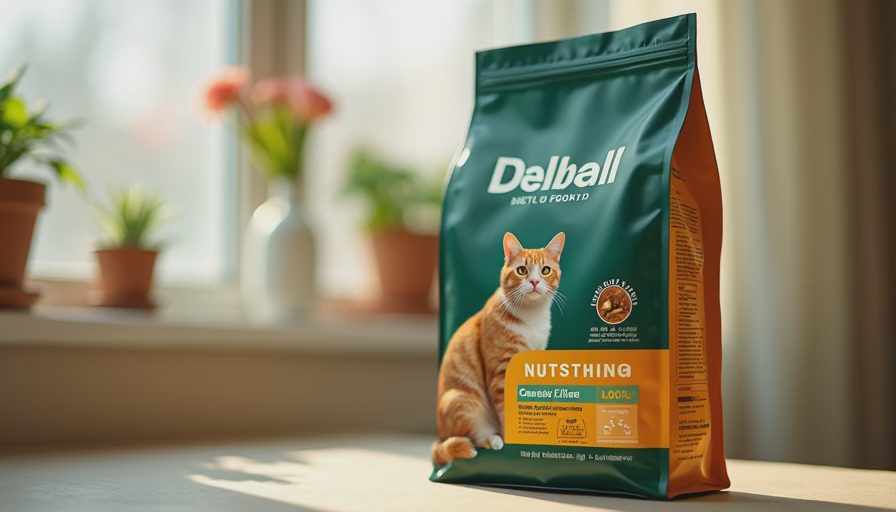
Wet or dry: Which option fits your household?
Wet Friskies cat food can be helpful for cats that prefer strong aromas or soft textures. The extra moisture is also useful for cats that do not drink much from a bowl, although wet food does not replace veterinary care or a dependable water supply. Once opened, refrigerate the unused portion and use a clean covered container. Many cats prefer it slightly warmed to room temperature instead of served cold from the refrigerator.
Dry food is easier to measure, store, and use in puzzle feeders. It can fit a busy household where breakfast happens before school or work. The tradeoff is that dry food is calorie-dense, so a bowl that looks modest can still contain a large portion. Dry kibble also should not be treated as a substitute for dental care; ordinary crunching does not remove the need for veterinary dental evaluation.
Some homes use a combination. For example, a cat might receive a measured dry breakfast and a small wet dinner. This can work well, but count the calories from both products rather than treating each as a separate allowance.
How to choose flavors and textures without wasting money
I learned this one the messy way: buying a large case of one flavor because it was on sale is not a bargain when your cat refuses every can. Start with a small variety pack or a few individual cans. Try one texture at a time for several meals so you can tell whether the reaction is to the flavor, smell, or consistency.
Friskies cat food labels often describe the texture prominently, and those descriptions matter. A cat that licks gravy but leaves chunks may do better with pate or finely minced food. Another cat may reject pate and happily eat shreds. Neither preference means your cat is being difficult. Cats can be surprisingly rigid about mouthfeel, especially after a stressful move.
Keep a simple note on your phone with the formula, serving size, and your cat's reaction. After two weeks, you may discover a pattern. You can then buy larger quantities of the foods that consistently work and keep one backup option for emergencies. Store unopened cans and bags in a cool, dry cabinet away from cleaning products.
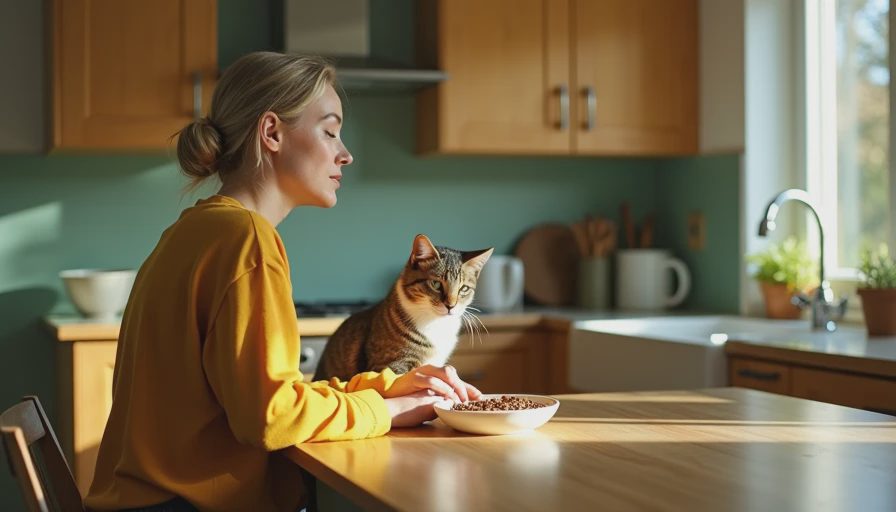
Portion control is where most beginner routines fail
Free-feeding was my biggest early mistake. I filled the bowl whenever it looked low, then wondered why my cat gained weight and begged between meals. A better approach is to use the package feeding guide as a starting point, measure the daily amount, and divide it into meals. Your cat's age, size, activity level, body condition, and other foods all affect the right amount.
A basic kitchen measuring cup can help with dry food, but a digital kitchen scale is more consistent. If a label recommends a daily amount, divide that total between meals rather than giving the full quantity each time. Treats count too. A few treats during play may seem insignificant, but they can quietly add calories over a week.
Watch body shape instead of relying only on a number. You should be able to feel the ribs with light pressure, while the waist should be visible from above in a healthy adult cat. If weight changes quickly, appetite changes sharply, or your cat stops eating, contact a veterinarian. Cats should not be placed on a crash diet without professional guidance.
A low-stress feeding setup for real homes
Place the bowl somewhere quiet but not trapped in a corner. Cats often dislike eating beside a noisy appliance, a busy doorway, or a litter box. Use a washable mat under the dishes to catch gravy, crumbs, and the occasional dramatic paw swipe. Stainless steel or ceramic bowls are usually easier to clean than scratched plastic.
For Friskies cat food, a predictable schedule can make mornings calmer. Feed at roughly the same times, pick up wet leftovers after a reasonable interval, and wash bowls regularly. An automatic feeder can help with measured dry portions if your work schedule changes, but introduce it while you are home so the motor does not become a midnight surprise.
If you have a dog or young child, create a feeding zone the cat can access safely. A counter is not always ideal because it may encourage jumping near food preparation. A separate room, gated area, or elevated cat station can work better. The goal is not a picture-perfect feeding corner; it is a place where your cat can eat without being chased away.
When to adjust the plan
A cat may skip a meal because of stress, a dirty bowl, a new location, or a food change. Repeated refusal is different. Call your veterinarian if your cat will not eat, has persistent vomiting or diarrhea, becomes unusually tired, drinks far more than usual, or loses weight without explanation. Those signs are not problems to solve by cycling through endless flavors.
If your cat enjoys Friskies cat food and maintains a healthy body condition, normal energy, and regular digestion, there may be no reason to keep changing the routine. If the food causes repeated problems, save the package information and ask your veterinarian about alternatives. Bring notes about portions, treats, water intake, and symptoms; that information makes the appointment more useful.
If I could reset the first month, I would buy less, measure more, and change one thing at a time. That simple approach saves money and makes it much easier to understand what your cat actually needs.


Letters
No letters yet. Yours could be the first.